Are functional bulk bags suitable for low - temperature environments?
As a supplier of functional bulk bags, I often encounter inquiries from customers about the suitability of our products in various environments, especially low - temperature settings. This blog aims to delve into the question of whether functional bulk bags are suitable for low - temperature environments, exploring the factors involved and providing insights for potential buyers.


Understanding Functional Bulk Bags
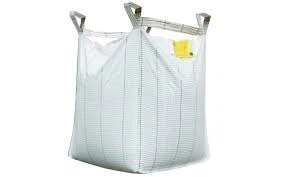
Functional bulk bags, also known as flexible intermediate bulk containers (FIBCs), are large, flexible containers designed to store and transport a wide range of dry, flowable products such as grains, chemicals, and minerals. These bags come in different types, each with specific functions to meet diverse industry needs. For example, Food Grade Bulk Bag are made from materials that comply with food safety standards, ensuring that the products they carry remain uncontaminated. Anti - static Bulk Bag are designed to prevent static electricity buildup, which is crucial when handling flammable or explosive materials.
Factors Affecting Bulk Bags in Low - Temperature Environments
- Material Properties
- The materials used in functional bulk bags play a significant role in their performance in low - temperature environments. Most bulk bags are made from polypropylene, a thermoplastic polymer. At low temperatures, polypropylene can become more brittle. The glass transition temperature of polypropylene is around - 10°C to 0°C. When the temperature drops below this range, the molecular mobility of the polymer decreases, and the material loses its flexibility. This can lead to cracking and reduced strength of the bulk bag.
- However, some suppliers, including us, offer modified polypropylene materials or use additives to improve the low - temperature performance of the bags. These additives can enhance the impact resistance and flexibility of the material at lower temperatures.
- Sealing and Closure Systems
- In low - temperature environments, the sealing and closure systems of bulk bags can be affected. For example, heat - sealed seams may become less effective as the plastic becomes more rigid. Cold temperatures can cause the seal to crack or separate, which may compromise the integrity of the bag and lead to product leakage.
- Additionally, closures such as zippers or drawstrings may become difficult to operate. The lubricants used in zippers may thicken or freeze, making it hard to open or close the bag. This can be a significant inconvenience during loading and unloading operations.
- Product Characteristics
- The product being stored or transported in the bulk bag can also interact with the low - temperature environment. Some products may expand or contract at low temperatures. For example, certain chemicals may crystallize or change their physical state. If the product expands, it can put additional stress on the bulk bag, increasing the risk of rupture.
- On the other hand, if the product contracts, it may leave empty spaces inside the bag. This can cause the bag to become unstable during handling and transportation.
Advantages of Using Functional Bulk Bags in Low - Temperature Environments
- Insulation Properties
- Despite the potential challenges, functional bulk bags can provide some insulation. The layers of material in the bag can act as a barrier against the cold, reducing the rate of heat transfer between the product inside and the external environment. This can be beneficial for products that need to be kept at a relatively stable temperature.
- Customization
- As a supplier, we can customize functional bulk bags to better suit low - temperature environments. For example, we can add extra layers of insulation or use reinforced materials. We can also design special closure systems that are more resistant to cold temperatures. This allows us to meet the specific needs of customers in industries such as food storage, where products may need to be kept at low temperatures during transportation and storage.
- Cost - Effectiveness
- Compared to other types of containers, functional bulk bags are generally more cost - effective. They are lightweight, which reduces transportation costs. In low - temperature environments, the ability to use bulk bags instead of more expensive, rigid containers can result in significant savings for businesses.
Case Studies
- Food Industry
- In the food industry, Food Grade Bulk Bag are often used to store and transport frozen products. For example, a frozen food manufacturer was using our bulk bags to transport frozen vegetables. The bags were designed with a special insulation layer to maintain the low temperature of the products during transit. By using our customized bulk bags, the manufacturer was able to reduce the risk of product thawing and maintain the quality of the frozen vegetables.
- Chemical Industry
- In the chemical industry, anti - static bulk bags are used to handle flammable chemicals. A chemical company needed to transport a flammable liquid in cold weather conditions. Our anti - static bulk bags were designed with a reinforced structure to withstand the low - temperature brittleness of the material. The bags also had a special closure system that remained functional even at low temperatures, ensuring the safe transportation of the chemical.
Testing and Certification
To ensure the suitability of our functional bulk bags in low - temperature environments, we conduct a series of tests. These include impact tests at low temperatures to measure the bag's resistance to cracking, and tensile strength tests to evaluate the strength of the material. We also test the sealing and closure systems to ensure they work properly in cold conditions.
In addition, our products comply with relevant international standards, such as ISO 21898 for FIBCs. These standards provide guidelines on the design, manufacture, and testing of bulk bags, including their performance in different environmental conditions.
Conclusion
In conclusion, functional bulk bags can be suitable for low - temperature environments, but it depends on various factors such as material properties, sealing systems, and product characteristics. With proper material selection, customization, and testing, bulk bags can perform well in cold conditions.
As a supplier of functional bulk bags, we are committed to providing high - quality products that meet the specific needs of our customers, including those in low - temperature environments. If you are interested in purchasing functional bulk bags for your low - temperature applications, we invite you to contact us for further discussion and procurement. We can work with you to design and manufacture the most suitable bulk bags for your requirements.
References
- ASTM International. (20XX). Standard test methods for FIBCs.
- ISO 21898:2004. Flexible intermediate bulk containers - Safety.