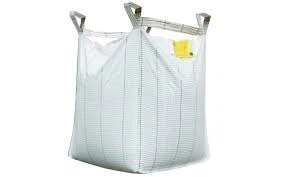
As a supplier of Anti-static Bulk Bags, I often encounter various questions from customers regarding the performance and characteristics of our products. One of the most frequently asked questions is whether anti-static bulk bags are resistant to punctures. In this blog post, I will delve into this topic, providing a comprehensive analysis based on scientific knowledge and practical experience.
Understanding Anti-static Bulk Bags
Before we discuss puncture resistance, it's essential to understand what anti-static bulk bags are. Anti-static bulk bags, also known as FIBCs (Flexible Intermediate Bulk Containers), are large, flexible containers designed to store and transport dry, flowable products such as powders, granules, and flakes. These bags are made from woven polypropylene fabric, which is treated with anti-static agents to prevent the buildup of static electricity. Static electricity can be a significant hazard in industries dealing with flammable or combustible materials, as it can cause sparks that may ignite the surrounding atmosphere.
The anti-static property of these bags is crucial in industries such as chemicals, pharmaceuticals, food, and electronics, where the presence of static electricity can lead to product damage, safety risks, and operational inefficiencies. By using anti-static bulk bags, companies can minimize the risk of electrostatic discharge (ESD) and ensure the safe handling and transportation of their products.
Puncture Resistance of Anti-static Bulk Bags
Puncture resistance refers to the ability of a material to withstand the penetration of a sharp object without tearing or breaking. In the context of anti-static bulk bags, puncture resistance is an important factor to consider, especially when dealing with products that may have sharp edges or when the bags are subjected to rough handling during transportation and storage.
The puncture resistance of anti-static bulk bags depends on several factors, including the type of fabric used, the thickness of the fabric, and the manufacturing process. Generally, anti-static bulk bags are made from high-quality woven polypropylene fabric, which has inherent strength and durability. The fabric is typically woven in a way that provides good resistance to tearing and puncturing.
However, it's important to note that the puncture resistance of anti-static bulk bags is not absolute. While these bags are designed to withstand normal handling and transportation conditions, they may still be vulnerable to punctures if they come into contact with extremely sharp or pointed objects. For example, if a bag is placed on a surface with sharp protrusions or if it is handled with tools that have sharp edges, there is a risk of puncture.
To enhance the puncture resistance of anti-static bulk bags, some manufacturers may use additional reinforcement techniques. For instance, they may add a layer of protective film or coating to the fabric, or they may use a thicker or more tightly woven fabric. These measures can significantly improve the bag's ability to resist punctures and increase its overall durability.
Factors Affecting Puncture Resistance
Fabric Type and Quality
The type and quality of the fabric used in anti-static bulk bags play a crucial role in determining their puncture resistance. High-quality woven polypropylene fabrics are generally more resistant to punctures than lower-quality fabrics. Fabrics with a higher thread count and a tighter weave pattern tend to have better puncture resistance, as they provide more resistance to the penetration of sharp objects.
Fabric Thickness
The thickness of the fabric also affects the puncture resistance of anti-static bulk bags. Thicker fabrics are generally more resistant to punctures than thinner fabrics, as they provide more material to absorb the force of a puncturing object. However, it's important to note that increasing the fabric thickness may also increase the weight and cost of the bag, so a balance needs to be struck between puncture resistance and other factors such as weight and cost.
Manufacturing Process
The manufacturing process can also have an impact on the puncture resistance of anti-static bulk bags. Bags that are manufactured using advanced techniques and high-quality equipment are likely to have better puncture resistance than bags that are manufactured using less sophisticated methods. For example, bags that are heat-sealed or stitched using strong threads are generally more resistant to punctures than bags that are simply glued or taped together.
Testing Puncture Resistance
To ensure the puncture resistance of anti-static bulk bags, manufacturers typically conduct various tests. One of the most common tests is the puncture test, which involves applying a sharp object to the bag and measuring the force required to puncture it. The results of these tests can provide valuable information about the bag's puncture resistance and help manufacturers determine whether the bag meets the required standards.
In addition to puncture tests, manufacturers may also conduct other tests to evaluate the overall performance of anti-static bulk bags. These tests may include tensile strength tests, tear strength tests, and seam strength tests. By conducting these tests, manufacturers can ensure that their bags are of high quality and can withstand the rigors of transportation and storage.
Applications and Considerations
Anti-static bulk bags are used in a wide range of industries, each with its own specific requirements and challenges. In some industries, such as the food and pharmaceutical industries, the puncture resistance of the bags is particularly important, as any puncture could lead to contamination of the product. In these industries, it's essential to use high-quality anti-static bulk bags that have been tested and certified to meet the relevant standards.


For example, Food Grade Bulk Bag are specifically designed for use in the food industry. These bags are made from food-grade materials and are tested to ensure that they are safe for use with food products. They also have high puncture resistance to prevent any damage to the food during transportation and storage.
In the electronics industry, Conductive Bulk Bag are often used to protect sensitive electronic components from static electricity. These bags not only have anti-static properties but also need to have good puncture resistance to prevent any damage to the components.
When choosing anti-static bulk bags, it's important to consider the specific requirements of your application. You should also work with a reputable supplier who can provide you with high-quality bags that meet your needs. At our company, we offer a wide range of Anti-static Bulk Bag that are designed to meet the highest standards of quality and performance. Our bags are made from high-quality materials and are tested to ensure their puncture resistance and other properties.
Conclusion
In conclusion, anti-static bulk bags can have good puncture resistance, but this depends on various factors such as the fabric type, thickness, and manufacturing process. While these bags are designed to withstand normal handling and transportation conditions, it's important to take appropriate precautions to prevent punctures, especially when dealing with products that may have sharp edges or when the bags are subjected to rough handling.
If you are in the market for anti-static bulk bags, I encourage you to contact us to discuss your specific requirements. Our team of experts can provide you with detailed information about our products and help you choose the right bags for your application. We are committed to providing high-quality products and excellent customer service, and we look forward to working with you.
References
- ASTM International. (Year). Standard test methods for puncture properties of plastic film and sheeting. ASTM D5748.
- European Committee for Standardization. (Year). Flexible intermediate bulk containers (FIBCs) - Safety requirements. EN 1898.
- ISO. (Year). Flexible intermediate bulk containers (FIBCs) - General safety requirements for type A, B, C and D FIBCs. ISO 21898.