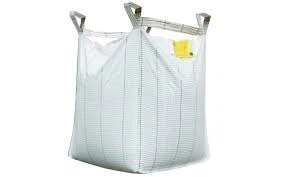
Hey there! I'm a supplier of Paper-plastic Composite Printed Bags, and today I wanna chat about the printing methods that are suitable for these awesome bags.
First off, let's understand what paper - plastic composite printed bags are. They're a great blend of the strength and eco - friendliness of paper and the durability and moisture - resistance of plastic. These bags are used in a wide range of industries, from food and beverage to cosmetics and more. You can check out some of our products like the Paper-plastic Composite Square Bottom Flat Bag, Paper-plastic Composite Printed Bag, and Paper-plastic Composite Crepe Paper Sewn Bottom Bag.
Now, let's dive into the printing methods.
Flexographic Printing
Flexographic printing, or flexo for short, is a super popular choice for paper - plastic composite printed bags. It's a fast and efficient method that can handle high - volume production.
How does it work? Well, it uses flexible relief plates. These plates are made of rubber or photopolymer, and they're wrapped around a printing cylinder. The ink is transferred from an anilox roller to the raised areas of the plate. Then, as the bag material passes through the press, the ink on the plate is transferred to the bag.
One of the big advantages of flexo printing is its ability to print on a variety of substrates, including paper - plastic composites. It can also produce sharp, clear images and text. Plus, it's cost - effective for large runs. You can get a wide range of colors, and the drying time is relatively short. This means you can print a lot of bags in a short period.
However, there are some downsides. The initial setup cost for flexo printing can be a bit high. You need to create the printing plates, and that takes time and money. Also, the quality of the print might not be as high - end as some other methods for very detailed or complex designs.
Gravure Printing
Gravure printing is another option for paper - plastic composite printed bags. It's been around for a long time and is known for its high - quality prints.
In gravure printing, the image is engraved onto a copper cylinder. The cylinder is then dipped into an ink bath, and the ink fills the engraved cells. A doctor blade wipes off the excess ink from the surface of the cylinder. As the bag material passes between the engraved cylinder and a pressure roller, the ink is transferred from the cells to the bag.
The main advantage of gravure printing is the excellent print quality. It can produce very detailed and sharp images with a wide range of colors. The ink laydown is also very consistent, which gives a smooth and professional look. It's great for high - end products where the packaging needs to stand out.
But, like flexo, gravure has its drawbacks. The setup cost is extremely high. Creating the engraved cylinders is a complex and expensive process. It's also not very suitable for short runs because of the high setup time and cost. And, the printing speed is generally slower compared to flexo, so it might not be the best choice if you need to print a large number of bags quickly.
Digital Printing
Digital printing is a relatively new kid on the block when it comes to printing paper - plastic composite bags, but it's gaining popularity fast.
With digital printing, there's no need for printing plates. The image is sent directly from a computer to the printing machine. The printer then applies the ink directly to the bag material using inkjet or laser technology.
One of the biggest advantages of digital printing is its flexibility. You can print small runs or even single - item orders without incurring high setup costs. It's also great for variable data printing. This means you can print different images, text, or barcodes on each bag. For example, if you're doing a promotional campaign, you can print different discount codes on each bag.
Digital printing also allows for quick turnaround times. You can make changes to the design right up until the last minute. And, the print quality can be quite good, especially for simple to moderately complex designs.
However, digital printing has its limitations. The cost per unit can be higher for large runs compared to flexo or gravure. Also, the color gamut might not be as wide as some other methods, and the durability of the print might not be as good in some cases.
Screen Printing
Screen printing is a traditional method that can also be used for paper - plastic composite printed bags.
In screen printing, a mesh screen is used. The areas of the screen that don't need to be printed are blocked off. The ink is then forced through the open areas of the screen onto the bag material using a squeegee.
Screen printing is great for printing thick layers of ink. This can give a very bold and vibrant look to the design. It's also suitable for printing on irregular surfaces or for adding special effects like metallic or fluorescent inks.
But, screen printing has some issues. It's a relatively slow process, so it's not ideal for high - volume production. The setup can also be time - consuming, especially if you're printing multiple colors. And, the registration (alignment of different colors) can be a bit tricky, which might affect the overall quality of the print.
So, which printing method should you choose for your paper - plastic composite printed bags? Well, it depends on a few factors.
If you're doing a large - scale production run and need a cost - effective option with good print quality, flexographic printing might be your best bet. It can handle high volumes and still give you a decent - looking print.


For high - end products where the packaging needs to have a top - notch look, gravure printing is a great choice. The quality is unbeatable, but be prepared for the high setup cost.
If you need to print small runs, make quick changes to the design, or do variable data printing, digital printing is the way to go. It offers flexibility and fast turnaround times.
And if you want to add some special effects or print thick layers of ink, screen printing could be an option, but keep in mind its limitations for large - volume production.
As a supplier of Paper-plastic Composite Printed Bags, I can help you decide which printing method is best for your specific needs. Whether you're a small business looking for a unique packaging solution or a large corporation in need of high - volume printing, I've got you covered.
If you're interested in learning more about our products or discussing the best printing method for your project, don't hesitate to reach out. Let's have a chat and see how we can work together to create the perfect paper - plastic composite printed bags for your brand.
References
- "Packaging Printing Technologies" by John Smith
- "The Handbook of Printing Processes" by Jane Doe
- Industry reports from the Packaging Printing Association