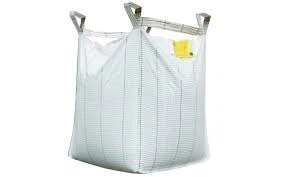
Hey there! As a supplier of multi-layer kraft paper packaging bags, I often get asked about the water vapor transmission rate (WVTR) of these bags. So, I thought I'd write a blog post to explain what WVTR is, why it matters for multi-layer kraft paper packaging bags, and how it can impact your products.
First off, let's talk about what water vapor transmission rate actually is. In simple terms, WVTR measures how much water vapor can pass through a material over a specific period of time. It's usually expressed in grams per square meter per day (g/m²/day). The lower the WVTR, the better the material is at preventing water vapor from passing through it.
Now, you might be wondering why WVTR is so important for multi-layer kraft paper packaging bags. Well, many products are sensitive to moisture. If too much water vapor gets into the packaging, it can cause all sorts of problems. For example, food products might spoil faster, chemicals could react or degrade, and electronics could malfunction. That's why it's crucial to choose packaging with a low WVTR to keep your products safe and in good condition.
So, how does multi-layer kraft paper perform in terms of WVTR? Multi-layer kraft paper is made up of multiple layers of kraft paper, which are often combined with other materials like polyethylene or aluminum foil to enhance its properties. These additional layers can significantly reduce the WVTR of the packaging.
The base kraft paper itself has some natural resistance to water vapor, but it's not extremely high. However, when you add layers, especially those made of materials like polyethylene, it forms a better barrier. Polyethylene is a plastic that has a very low WVTR, so when it's laminated to the kraft paper, it helps to keep moisture out.
Let's take a look at some of our popular multi-layer kraft paper packaging bags and how their design can affect the WVTR.
We have the Multi-layer Kraft Paper M-fold Valve Bag. This bag is great for products like powders and granules. The multi-layer construction, with its additional barrier layers, helps to keep the moisture away from the contents. The valve design also plays a role. It allows for easy filling but then seals well, preventing water vapor from sneaking in through the opening.
Another option is the Multi-layer Kraft Paper Flat Valve Bag. Similar to the M-fold valve bag, it has multiple layers to reduce the WVTR. The flat design makes it easy to stack and store, and the valve ensures a tight seal after filling.
We also offer the Multi-layer Kraft Paper Square Bottom M-fold Bag. This bag has a unique square bottom design, which provides stability. The multi-layer construction, combined with the way the bag is sealed, helps to maintain a low WVTR. It's suitable for a wide range of products, from pet food to industrial chemicals.
But how do we measure the WVTR of our multi-layer kraft paper packaging bags? We use standard testing methods. One common method is the ASTM E96 standard. In this test, a sample of the packaging material is placed in a chamber with controlled temperature and humidity on one side, and a dry environment on the other. Over a set period of time, the amount of water vapor that passes through the sample is measured. Based on these results, we can determine the WVTR of the material.
It's important to note that the WVTR can vary depending on several factors. The thickness of the layers, the type of additional materials used, and even the environmental conditions during storage and transportation can all have an impact. For example, if the bags are stored in a very humid environment, the WVTR might increase slightly over time.
So, if you're in the market for multi-layer kraft paper packaging bags, it's essential to consider the WVTR. You want to make sure that the bags you choose can protect your products from moisture. And that's where we come in. As a supplier, we have a lot of experience in producing multi-layer kraft paper packaging bags with low WVTR.

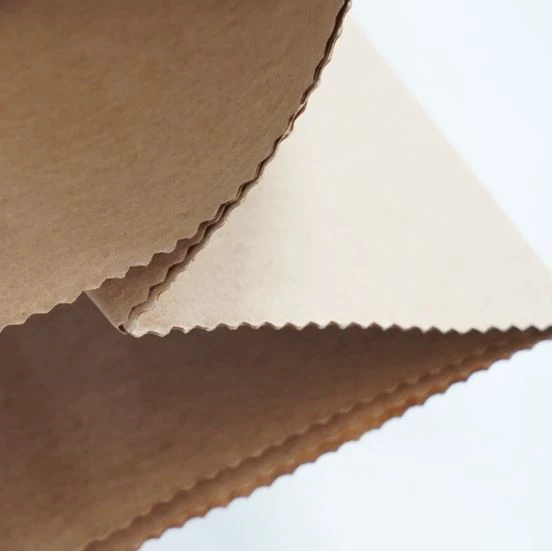
We can customize the design and construction of the bags based on your specific needs. If you have a product that's extremely sensitive to moisture, we can use more layers or different materials to achieve an even lower WVTR. We also offer quality control measures to ensure that every bag we produce meets the required standards.
If you're interested in learning more about our multi-layer kraft paper packaging bags and how they can help protect your products from moisture, don't hesitate to reach out. We're here to answer any questions you might have and to discuss your packaging requirements. Whether you're a small business or a large corporation, we can work with you to find the best packaging solution.
In conclusion, the water vapor transmission rate is a crucial factor when it comes to multi-layer kraft paper packaging bags. By understanding what WVTR is and how it can be controlled, you can make an informed decision about the packaging for your products. And with our high-quality multi-layer kraft paper packaging bags, you can rest assured that your products will be well-protected.
References
- ASTM International. (2016). ASTM E96 - 16 Standard Test Methods for Water Vapor Transmission of Materials.