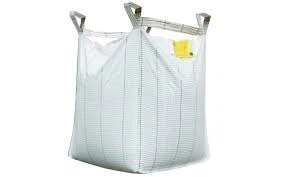
As a leading supplier of Paper-plastic Composite M-fold Open Bags, I am often asked about the production process flow of these versatile packaging solutions. In this blog post, I will take you through the step-by-step journey of how these bags are made, from raw materials to the finished product.
Raw Material Selection
The first and most crucial step in the production of Paper-plastic Composite M-fold Open Bags is the selection of high-quality raw materials. We use a combination of kraft paper and plastic film to create a strong and durable composite material. The kraft paper provides strength and tear resistance, while the plastic film adds moisture resistance and barrier properties.
We source our kraft paper from reputable suppliers who adhere to strict quality standards. The paper is typically made from virgin wood pulp, which ensures its strength and durability. The plastic film, on the other hand, is usually made from polyethylene (PE) or polypropylene (PP), which are known for their excellent chemical resistance and flexibility.

Extrusion Coating
Once the raw materials have been selected, the next step is to combine them using extrusion coating. This process involves melting the plastic resin and applying it to the surface of the kraft paper using a die. The plastic resin is heated to a high temperature and then forced through the die, where it is spread evenly over the paper.
The extrusion coating process is critical as it determines the quality and performance of the final product. We use state-of-the-art extrusion coating equipment to ensure a uniform and consistent coating thickness. This helps to prevent any weak spots or areas of low adhesion, which could compromise the integrity of the bag.

Printing
After the extrusion coating process, the paper-plastic composite material is ready for printing. Printing is an important step as it allows us to add branding, product information, and other details to the bags. We use high-quality flexographic printing presses to ensure sharp and vibrant prints.
Flexographic printing is a popular printing method for packaging materials as it offers several advantages. It is a fast and efficient process that can produce high-quality prints on a variety of substrates. It also allows for a wide range of colors and finishes, which can help to enhance the visual appeal of the bags.
Cutting and Slitting
Once the printing is complete, the paper-plastic composite material is cut and slit into the desired size and shape. This is typically done using a slitting machine, which can cut the material into multiple widths and lengths. The cutting and slitting process is critical as it determines the final dimensions of the bags.
We use precision cutting and slitting equipment to ensure accurate and consistent cuts. This helps to minimize waste and ensure that the bags meet the required specifications.
M-folding
The next step in the production process is M-folding. M-folding is a unique folding technique that gives the bags their distinctive shape. It involves folding the material in a series of M-shaped folds, which creates a strong and stable structure.
The M-folding process is typically done using a specialized folding machine. The machine uses a combination of rollers and guides to fold the material into the desired shape. The folding process is carefully controlled to ensure that the folds are uniform and consistent.
Sealing
After the M-folding process, the bags are ready for sealing. Sealing is an important step as it ensures that the bags are airtight and waterproof. We use a variety of sealing methods, including heat sealing and ultrasonic sealing, depending on the specific requirements of the customer.
Heat sealing is a popular sealing method for paper-plastic composite bags as it is fast and efficient. It involves applying heat to the edges of the bag to melt the plastic film and bond it together. Ultrasonic sealing, on the other hand, uses high-frequency sound waves to create a strong and durable seal.

Quality Control
Throughout the production process, we implement a rigorous quality control program to ensure that the bags meet our high standards of quality. We conduct regular inspections and tests at every stage of the production process, from raw material inspection to final product testing.
Our quality control team uses a variety of testing equipment and techniques to ensure that the bags are strong, durable, and free from defects. We test the bags for strength, tear resistance, moisture resistance, and other important properties. Any bags that do not meet our quality standards are rejected and recycled.
Packaging and Shipping
Once the bags have passed the quality control tests, they are ready for packaging and shipping. We use high-quality packaging materials to ensure that the bags are protected during transit. The bags are typically packed in cartons or pallets, depending on the quantity and size of the order.
We work with reliable shipping partners to ensure that the bags are delivered to our customers in a timely and efficient manner. We offer a variety of shipping options, including air freight, sea freight, and land transportation, to meet the specific needs of our customers.
Conclusion
In conclusion, the production process of Paper-plastic Composite M-fold Open Bags is a complex and intricate process that requires careful attention to detail and quality control. From raw material selection to final product testing, every step of the process is critical to ensuring the quality and performance of the bags.
As a supplier of Paper-plastic Composite M-fold Open Bags, we are committed to providing our customers with high-quality products that meet their specific needs. We use the latest technology and manufacturing processes to ensure that our bags are strong, durable, and reliable.
If you are interested in learning more about our Paper-plastic Composite M-fold Open Bags or would like to place an order, please visit our website at Paper-plastic Composite M-fold Open Bag. You can also explore our other products, such as Paper-plastic Composite M-fold Valve Bag and Paper-plastic Composite Flat Valve Bag. We look forward to working with you!
References
- Packaging Machinery Manufacturers Institute. (n.d.). Extrusion Coating. Retrieved from https://www.pmmi.org/
- Flexographic Technical Association. (n.d.). Flexographic Printing. Retrieved from https://www.flexography.org/
- American Society for Testing and Materials. (n.d.). Standard Test Methods for Plastic Film and Sheeting. Retrieved from https://www.astm.org/