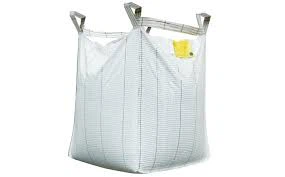
As a seasoned supplier of Paper - plastic Composite Tear - open Bags, I often encounter inquiries about various aspects of these products. One of the most frequently asked questions is about the gas permeability of paper - plastic composite tear - open bags. In this blog, I will delve into the concept of gas permeability, its significance for these bags, and the factors that influence it.
Understanding Gas Permeability
Gas permeability refers to the ability of a material to allow gases to pass through it. In the context of paper - plastic composite tear - open bags, it is a crucial property that can affect the quality and shelf - life of the products stored inside. Different gases, such as oxygen, carbon dioxide, and nitrogen, have different permeation rates through materials.
Oxygen, for example, can cause oxidation of food products, leading to spoilage, color changes, and loss of flavor. High oxygen permeability in a bag means that more oxygen can enter the bag over time, reducing the freshness and quality of the contents. On the other hand, carbon dioxide is often used in modified atmosphere packaging to extend the shelf - life of products. If a bag has high carbon dioxide permeability, the desired gas composition inside the bag may not be maintained.
Significance for Paper - plastic Composite Tear - open Bags
Paper - plastic composite tear - open bags are widely used in various industries, including food, pharmaceuticals, and consumer goods. The gas permeability of these bags can have a significant impact on the products they contain.
In the food industry, maintaining the quality and safety of food products is of utmost importance. Many food items, such as snacks, coffee, and dried fruits, are sensitive to oxygen and moisture. A bag with low gas permeability can help to keep these products fresh for a longer period by preventing the ingress of oxygen and the escape of protective gases.


In the pharmaceutical industry, drugs and medical devices need to be protected from environmental factors. Gas permeability can affect the stability of drugs, especially those that are sensitive to oxidation or humidity. A well - designed paper - plastic composite tear - open bag with appropriate gas barrier properties can ensure the efficacy and safety of pharmaceutical products.
Factors Affecting Gas Permeability
Several factors can influence the gas permeability of paper - plastic composite tear - open bags.
Material Composition
The choice of paper and plastic materials used in the composite has a major impact on gas permeability. Different types of plastics, such as polyethylene (PE), polypropylene (PP), and polyethylene terephthalate (PET), have different gas barrier properties. For example, PET has relatively low oxygen and carbon dioxide permeability compared to PE. The paper component also plays a role. Coated papers can have better gas barrier properties than uncoated papers.
Thickness
The thickness of the plastic layer in the composite bag is directly related to gas permeability. Generally, a thicker plastic layer will result in lower gas permeability. However, increasing the thickness also increases the cost and weight of the bag, so a balance needs to be struck between gas barrier performance and other factors.
Temperature and Humidity
Gas permeability is also affected by environmental conditions. Higher temperatures usually increase the gas permeability of materials because the kinetic energy of gas molecules increases, making it easier for them to pass through the material. Similarly, high humidity can affect the gas barrier properties of paper - plastic composites, especially if the paper component absorbs moisture.
Sealing Quality
The quality of the seal on the tear - open bag is crucial for maintaining gas barrier performance. A poor seal can create pathways for gas to enter or escape the bag, even if the bag material itself has good gas barrier properties. Proper sealing techniques and equipment are necessary to ensure a tight seal.
Our Product Offerings
As a supplier, we offer a wide range of paper - plastic composite tear - open bags with different gas permeability characteristics to meet the diverse needs of our customers.
We have the Paper - plastic Composite Crepe Paper Sewn Bottom Bag. This type of bag is suitable for products that require a certain level of breathability while still providing some protection against external factors. The crepe paper structure can add some flexibility and cushioning to the bag.
Our Paper - plastic Composite M - fold Valve Bag is designed for easy filling and good gas barrier performance. The M - fold design allows for efficient use of space, and the valve provides a convenient way to fill the bag without leaving large openings that could compromise the gas barrier.
For products that need high - level protection, we offer the Lined Paper - plastic Composite Packaging Bag. The lining can enhance the gas barrier properties of the bag, making it suitable for sensitive products such as high - end food items and pharmaceuticals.
Conclusion
Gas permeability is a critical property of paper - plastic composite tear - open bags that can significantly affect the quality and shelf - life of the products they contain. Understanding the factors that influence gas permeability and choosing the right type of bag is essential for ensuring the success of your packaging solution.
As a professional supplier, we are committed to providing high - quality paper - plastic composite tear - open bags with the appropriate gas permeability characteristics for your specific needs. Whether you are in the food, pharmaceutical, or other industries, we can work with you to develop the best packaging solution. If you are interested in our products or have any questions about gas permeability or other aspects of our bags, please feel free to contact us for further discussion and procurement negotiation.
References
- Robertson, G. L. (2012). Food Packaging: Principles and Practice. CRC Press.
- Kamdem, D. P., & Godbout, L. (2008). Gas and vapor barrier properties of paper - based packaging materials. In Paper and Composite Packaging Materials (pp. 273 - 298). Springer.
- Hernandez, R. M., & Krochta, J. M. (2008). Edible and biodegradable polymer films: challenges and opportunities. Journal of Food Science, 73(1), R1 - R13.