Yo! I'm a supplier of Multi - layer Kraft Paper M - fold Valve Bags, and today I wanna chat about the difference between valve bags and non - valve bags in kraft paper.
Let's start with a bit of background. Kraft paper is super popular in the packaging world. It's strong, eco - friendly, and can handle a fair amount of wear and tear. Whether you're packing food, chemicals, or construction materials, kraft paper is often the go - to choice. And within the realm of kraft paper packaging, valve bags and non - valve bags are two big players, each with their own unique features.
Valve Bags
First up, valve bags. These are pretty special. A valve bag, like the Multi - layer Kraft Paper M - fold Valve Bag I supply, has a small opening or "valve" on one side. This valve is designed to let the product in during the filling process but prevent it from coming out once it's filled.
One of the main advantages of valve bags is their efficiency in filling. They can be filled using automated machinery really quickly. The valve allows the product to flow smoothly into the bag under pressure. For example, if you're filling a valve bag with cement, the cement can be pumped into the bag through the valve at a high speed. This not only saves time but also reduces the risk of spillage.
Another great thing about valve bags is their airtightness. Once the product is inside the bag, the valve closes, creating a seal. This is crucial for products that are sensitive to air, moisture, or contaminants. For instance, food products like flour or sugar need to be protected from humidity and bugs. The airtight seal of a valve bag helps keep the product fresh and in good condition for a longer time.
Valve bags are also quite durable. The multi - layer kraft paper construction gives them strength and resistance to tearing. They can withstand the rigors of transportation and storage without easily getting damaged. This is important because if the bag gets torn, the product inside can be lost or contaminated.
Non - Valve Bags
Now, let's talk about non - valve bags. These are your more traditional types of kraft paper bags. They usually have an open top or a closure mechanism like sewing or gluing.
Non - valve bags are more flexible in terms of filling methods. You can fill them manually, which can be handy for small - scale operations or products that require more careful handling. For example, if you're packing handmade crafts or small batches of specialty products, you might prefer to use non - valve bags and fill them by hand.
They're also easier to open and close multiple times. If you need to access the product inside the bag frequently, a non - valve bag is a better choice. For instance, in a workshop where you're constantly using small amounts of a material like sand or gravel, a non - valve bag allows you to open it, take what you need, and then close it again without much hassle.
However, non - valve bags do have some drawbacks. They're not as airtight as valve bags. This means that products stored in non - valve bags are more exposed to air, moisture, and contaminants. If you're storing a product that's sensitive to these factors, you might need to take additional measures like using desiccants or storing the bags in a controlled environment.
Also, filling non - valve bags can be more time - consuming, especially if you're using automated machinery. The open - top design can make it difficult to ensure a consistent and efficient filling process. There's also a higher risk of spillage during the filling process.
Comparing the Two
Let's do a side - by - side comparison of valve bags and non - valve bags in terms of different aspects.
Efficiency
Valve bags win hands - down when it comes to filling efficiency. Automated filling machines can work much faster with valve bags because of the valve design. Non - valve bags, on the other hand, can be slower to fill, especially when using machines. Manual filling of non - valve bags can be time - consuming too, depending on the volume.
Protection
For protecting the product inside, valve bags are better. Their airtight seal keeps the product safe from air, moisture, and contaminants. Non - valve bags offer less protection, and you might need to add extra layers of protection or use special storage conditions.
Cost
The cost can vary. Valve bags are often more expensive to produce because of their special valve design and the need for more precise manufacturing. However, when you consider the savings in filling time and product protection, the overall cost - effectiveness might be higher. Non - valve bags are generally cheaper to make, but if you factor in the potential loss of product due to poor protection or the cost of additional storage measures, the cost advantage might not be as significant.
Versatility
Non - valve bags are more versatile in terms of filling and access. They can be used for a wider range of products and in different settings, especially where frequent access to the product is required. Valve bags are more specialized for products that need efficient filling and high - level protection.
Other Kraft Paper Bag Options
Apart from valve and non - valve bags, there are other types of kraft paper bags available. For example, the Multi - layer Kraft Paper Tear - open Bag is designed for easy opening. It's great for products where quick access is needed, like retail items. These bags are often used in grocery stores for packing things like nuts or chips.
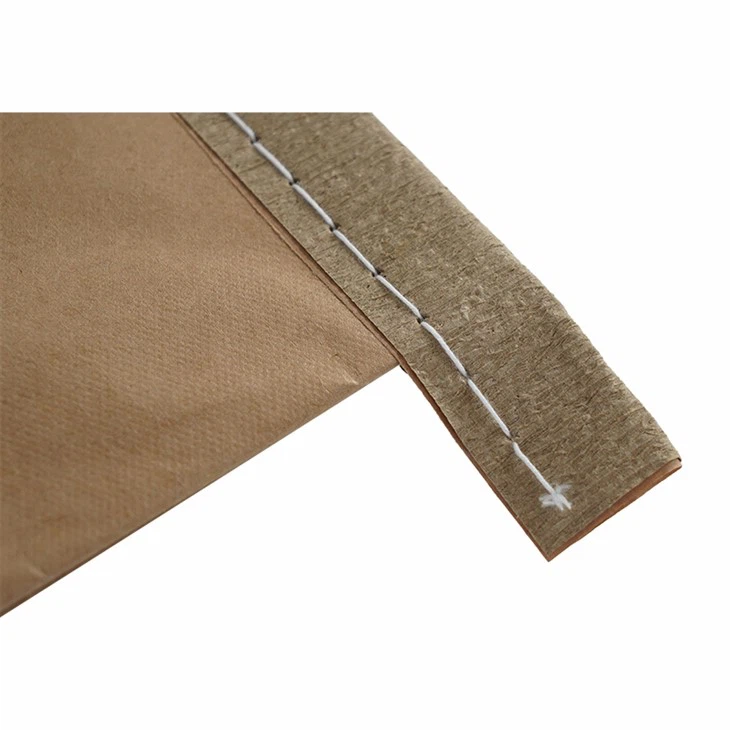

The Multi - layer Kraft Paper Crepe Paper Sewn Bottom Bag is another interesting option. The sewn bottom gives it extra strength, making it suitable for heavy - duty products. It's often used for packing things like animal feed or garden soil.
Making the Right Choice
So, how do you decide whether to use a valve bag or a non - valve bag? It really depends on your specific needs. If you're running a large - scale operation where efficiency and product protection are top priorities, valve bags are probably the way to go. They can help you save time, reduce waste, and keep your products in good condition.
On the other hand, if you have a small - scale business or a product that requires frequent access, non - valve bags might be more suitable. They offer more flexibility in terms of filling and usage.
If you're still not sure which type of kraft paper bag is right for you, don't hesitate to reach out. As a supplier of Multi - layer Kraft Paper M - fold Valve Bags, I've got a lot of experience in this field and can help you make the best decision for your packaging needs. Whether you need advice on the type of bag, the quantity, or the customization options, I'm here to assist.
In conclusion, both valve bags and non - valve bags in kraft paper have their own advantages and disadvantages. Understanding these differences can help you choose the right packaging solution for your products. So, take some time to think about your requirements and feel free to contact me for more information. Let's work together to find the perfect packaging for your business!
References
- "Kraft Paper Packaging: A Comprehensive Guide", Packaging World, 2022
- "Valve Bags vs Non - Valve Bags: A Comparative Analysis", Industrial Packaging Journal, 2023