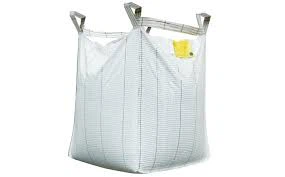
Paper-plastic composite packaging bags have become a popular choice in various industries due to their unique combination of the advantages of paper and plastic. One of the most crucial properties of these bags is their barrier property against moisture. As a paper-plastic composite packaging bag supplier, I have seen firsthand how this property impacts the quality and shelf life of the products they contain. In this blog post, I will delve into the details of the moisture barrier property of paper-plastic composite packaging bags and why it matters.
Understanding Moisture Barrier
Before we can explore the moisture barrier of paper-plastic composite packaging bags, it's important to understand what a moisture barrier is and why it's necessary. Moisture is a common enemy of many products. It can cause spoilage, mold growth, and degradation of the product's physical and chemical properties. For example, in the food industry, moisture can lead to the growth of bacteria and fungi, which can make the food unsafe to eat. In the pharmaceutical industry, moisture can affect the stability of drugs, reducing their effectiveness.
A moisture barrier is a material or a combination of materials that prevents or limits the passage of water vapor. In the context of packaging, a good moisture barrier can keep the product dry and protected from the harmful effects of moisture.
How Paper-plastic Composite Packaging Bags Provide Moisture Barrier
Paper-plastic composite packaging bags typically consist of a layer of paper and a layer of plastic. The paper provides strength, printability, and a natural appearance, while the plastic provides the moisture barrier.
The plastic layer in the paper-plastic composite packaging bag acts as a physical barrier to water vapor. Most plastics have low water vapor permeability, which means they do not allow water vapor to pass through easily. This is because the molecular structure of plastics is tightly packed, making it difficult for water vapor molecules to penetrate.
For example, polyethylene (PE) is a commonly used plastic in paper-plastic composite packaging bags. PE has a relatively low water vapor transmission rate (WVTR), which is a measure of how much water vapor can pass through a material per unit area and time. This low WVTR allows PE to effectively block water vapor from entering the bag and reaching the product inside.
In addition to the plastic layer, the composite structure of the bag also enhances the moisture barrier property. The combination of paper and plastic creates a multi-layered structure that provides multiple barriers to water vapor. Even if a small amount of water vapor manages to pass through the paper layer, it will still encounter the plastic layer, which further reduces the amount of water vapor that can reach the product.
Factors Affecting the Moisture Barrier Property
The moisture barrier property of paper-plastic composite packaging bags can be affected by several factors. Here are some of the key factors:
Type of Plastic
As mentioned earlier, different plastics have different WVTRs. Some plastics, like polyethylene terephthalate (PET), have a lower WVTR than others, such as low-density polyethylene (LDPE). Therefore, the choice of plastic in the paper-plastic composite packaging bag can significantly impact its moisture barrier property.
Thickness of the Plastic Layer
The thickness of the plastic layer also plays an important role in determining the moisture barrier property of the bag. Generally, a thicker plastic layer will have a lower WVTR, as it provides a greater physical barrier to water vapor. However, using a thicker plastic layer also increases the cost and weight of the bag, so a balance needs to be struck.
Quality of the Lamination
The lamination process is used to bond the paper and plastic layers together. A high-quality lamination ensures that there are no gaps or delamination between the layers, which can allow water vapor to pass through. If the lamination is poor, the moisture barrier property of the bag will be compromised.
Environmental Conditions
The environmental conditions, such as temperature and humidity, can also affect the moisture barrier property of the bag. Higher temperatures and humidity levels can increase the WVTR of the plastic layer, reducing its effectiveness as a moisture barrier.
Importance of Moisture Barrier in Different Industries
The moisture barrier property of paper-plastic composite packaging bags is of great importance in various industries. Here are some examples:
Food Industry
In the food industry, moisture can cause spoilage, mold growth, and loss of flavor and texture. Paper-plastic composite packaging bags with good moisture barrier properties can help to extend the shelf life of food products, keeping them fresh and safe to eat. For example, snacks, cereals, and dried fruits are often packaged in paper-plastic composite bags to protect them from moisture.
Pharmaceutical Industry
In the pharmaceutical industry, moisture can affect the stability and effectiveness of drugs. Paper-plastic composite packaging bags with high moisture barrier properties can help to preserve the quality of drugs, ensuring that they remain potent and safe for use.
Chemical Industry
In the chemical industry, many chemicals are sensitive to moisture. Exposure to moisture can cause chemical reactions, degradation, and loss of functionality. Paper-plastic composite packaging bags with good moisture barrier properties can protect chemicals from moisture, ensuring their quality and performance.


Our Product Range
As a paper-plastic composite packaging bag supplier, we offer a wide range of products to meet the diverse needs of our customers. Our product range includes Paper-plastic Composite M-fold Open Bag, Paper-plastic Composite Square Bottom Flat Bag, and Paper-plastic Composite Flat Open Bag. These bags are made with high-quality paper and plastic materials, and they have excellent moisture barrier properties.
Conclusion
The moisture barrier property of paper-plastic composite packaging bags is a critical factor in ensuring the quality and shelf life of the products they contain. By understanding the factors that affect this property and choosing the right packaging materials, businesses can protect their products from the harmful effects of moisture. As a paper-plastic composite packaging bag supplier, we are committed to providing high-quality products with excellent moisture barrier properties. If you are interested in our products or have any questions about moisture barrier packaging, please feel free to contact us for further discussion and potential procurement opportunities.
References
- Ahmad, S., & Ando, Y. (2012). Moisture barrier properties of paper/polymer laminates. Journal of Applied Polymer Science, 124(3), 2231-2238.
- Han, J. H., & Floros, J. D. (1997). Review of antimicrobial food packaging. Critical Reviews in Food Science and Nutrition, 37(6), 633-677.
- Robertson, G. L. (2012). Food packaging: Principles and practice. CRC press.