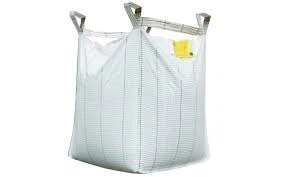
Hey there! As a supplier of Lined Paper - plastic Composite Packaging Bags, I will talk about different printing methods for these awesome bags.
Firstly, let me introduce some background. Lined Paper-plastic Composite Packaging Bags are the bomb! They combine the strength and eco- friendliness of paper with the durability and moisture-resistance of plastic. These bags are used in a whole bunch of industries, from food to chemicals, because they can keep products safe and fresh. And the printing on these bags? It's not just for looks. It can provide important info like product details, usage instructions, and branding.
Flexographic Printing
One of the most common printing methods for Lined Paper-plastic Composite Packaging Bags is flexographic printing. It's like the go - to method for a lot of packaging suppliers, and here's the reason.
Flexo printing uses flexible printing plates, usually made of rubber or photopolymer. These plates are wrapped around cylinders on the printing press. The ink is transferred from an anilox roller to the printing plate, and then onto the bag material.
The great thing about flexo printing is that it's super fast. You can print a whole bunch of bags in a relatively short amount of time. This makes it perfect for large - scale production runs. If you're a big company that needs thousands of bags printed for a new product launch, flexo is the way to go.
Another advantage is that it can print on a variety of materials, including the lined paper - plastic composites we use. It can handle different surface textures and thicknesses without a hitch.
But it's not all sunshine and rainbows. Flexo printing might not give you the super high - resolution prints that some of the other methods can. If you have a really detailed logo or a complex design with lots of fine lines, it might not come out as sharp as you'd like.
You can check out some of our Paper-plastic Composite Printed Bag products that are often printed using this method.
Gravure Printing
Gravure printing is another option for printing on Lined Paper-plastic Composite Packaging Bags. Now, this method is different from flexo.
In gravure printing, the image to be printed is etched into a copper cylinder. The cylinder is then submerged in ink, and the excess ink is wiped off. When the bag material passes over the cylinder, the ink in the etched areas is transferred onto the bag.
The quality of gravure printing is top - notch. It can produce really sharp, high - resolution prints. This is great if your brand has a very detailed logo or if you want to print high - quality photos on the bags. For example, if you're packaging gourmet food products and you want to show off a mouth - watering picture of the food on the bag, gravure printing will make it look amazing.
However, gravure printing has its drawbacks too. The setup cost is quite high. You need to create these special copper cylinders for each design, and that can be expensive, especially if you have a lot of different designs or if you're doing smaller print runs.
Some of our Paper-plastic Composite M-fold Valve Bag products are sometimes printed using gravure for that extra-high-quality finish.
Digital Printing
Digital printing is a newer kid on the block when it comes to printing on Lined Paper-plastic Composite Packaging Bags, but it's quickly gaining popularity.
With digital printing, there's no need for printing plates or cylinders. The image is sent directly from a computer to the printing machine, which then sprays the ink onto the bag material.
One of the biggest advantages of digital printing is its flexibility. You can easily change the design between each print job. This is perfect for small - batch printing or for creating customized packaging. Say you're a small - business owner who wants to have a unique design for each season or each product line. Digital printing allows you to do that without breaking the bank on setup costs.
It also offers short turnaround times. You can get your printed bags in a hurry, which is great if you have a last-minute product launch or a change in your packaging needs.
But digital printing isn't without its limits. The cost per unit can be higher compared to flexo or gravure for large - scale production. And the color consistency might not be as good as the other methods, especially when you're printing large areas of solid color.
Our Lined Paper-plastic Composite Packaging Bag selection can be printed using digital printing for those custom orders.
Offset Printing
Offset printing is another option that can be used for these bags, although it's not as commonly used as flexo or digital.
In offset printing, the image is first printed onto a plate, and then transferred (offset) to a rubber blanket before being applied to the bag material.
The advantage of offset printing is that it can produce high - quality, consistent prints. It's very good at reproducing colors accurately, so if your brand has specific color requirements for its packaging, offset can be a good choice.
However, like gravure, it has a relatively high setup cost. The plates need to be created, and the process can be a bit more time - consuming compared to some of the other methods. This makes it less suitable for small - scale or quick - turnaround jobs.
Which Method Should You Choose?
So, how do you decide which printing method is right for your Lined Paper-plastic Composite Packaging Bags? Well, it depends on a few factors.
If you're doing a large - scale production run and you don't need super high - resolution prints, flexographic printing is probably your best bet. It's fast, cost - effective, and can handle a variety of materials.
For high - quality, detailed prints and large production runs, gravure printing might be the way to go, even though the setup cost is high.
If you need customized prints, short turnaround times, or small - batch production, digital printing is the winner. It offers flexibility and quick results.


And if color accuracy is your top priority, offset printing could be a good option, especially for medium to large scale.
As a supplier of Lined Paper - plastic Composite Packaging Bags, we have the expertise and equipment to handle all these printing methods. Whether you're a big corporation or a small start-up, we can work with you to find the best printing solution for your needs.
If you're interested in learning more about our products and the printing options available, or if you want to get a quote for your packaging needs, don't hesitate to reach out. We're here to help you make your packaging stand out and protect your products at the same time.
References
- Packaging Machinery Manufacturers Institute. (2023). Printing Technologies for Packaging.
- Smith, J. (2022). The Future of Packaging Printing. Journal of Packaging Innovation.
- Brown, A. (2021). Comparing Printing Methods for Composite Packaging. Packaging World.