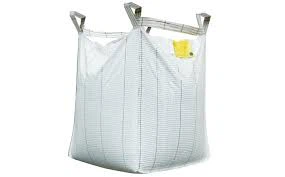
As a seasoned supplier of lined paper - plastic composite packaging bags, I've witnessed firsthand the diverse needs of various industries and the wide array of packaging solutions available. These bags are a popular choice due to their excellent combination of the strength and printability of paper with the moisture resistance and durability of plastic. In this blog, I'll delve into the different types of lined paper - plastic composite packaging bags, exploring their features, applications, and advantages.
1. Paper - plastic Composite Flat Open Bag
The Paper - plastic Composite Flat Open Bag is one of the most common types. It features a simple and straightforward design with an open top, making it easy to fill and access the contents.
Features
- Flat Structure: The flat design allows for easy stacking and storage, maximizing space utilization in warehouses and transportation.
- Open Top: This design feature facilitates quick and efficient filling of products, whether it's granular substances like grains, powders, or small items such as nuts and bolts.
- Strength and Durability: The combination of paper and plastic provides good tear resistance and protection against external factors, ensuring the safety of the packaged goods during handling and transit.
Applications
- Food Industry: Ideal for packaging dry food products like rice, flour, and sugar. The bag's moisture - resistant properties help maintain the freshness and quality of the food.
- Agricultural Sector: Used for packaging fertilizers, seeds, and animal feed. The flat open design makes it convenient for farmers and distributors to handle and dispense the products.
- Industrial Applications: Suitable for packaging small industrial parts, hardware, and chemicals. The bag's strength can withstand the weight and rough handling often associated with industrial environments.
2. Paper - plastic Composite Crepe Paper Sewn Bottom Bag
The Paper - plastic Composite Crepe Paper Sewn Bottom Bag is another unique type of lined paper - plastic composite bag.
Features
- Crepe Paper Layer: The crepe paper layer adds an extra level of cushioning and protection to the contents. It helps absorb shocks and vibrations during transportation, reducing the risk of damage to the packaged items.
- Sewn Bottom: The sewn bottom provides a secure closure, preventing leakage of the contents. It also enhances the overall strength of the bag, especially when carrying heavy or bulky items.
- Customizable: These bags can be customized in terms of size, color, and printing, allowing businesses to showcase their brand and product information effectively.
Applications
- Electronics Industry: Used for packaging delicate electronic components, such as circuit boards and mobile phone parts. The crepe paper layer protects the components from static electricity and physical damage.
- Cosmetics and Personal Care: Ideal for packaging high - end cosmetics, perfumes, and personal care products. The customizable design can enhance the product's visual appeal and brand image.
- Pharmaceutical Industry: Suitable for packaging tablets, capsules, and other pharmaceutical products. The sewn bottom and moisture - resistant properties ensure the integrity and safety of the medications.
3. Paper - plastic Composite Printed Bag
The Paper - plastic Composite Printed Bag is a great option for businesses looking to promote their brand and products.


Features
- High - Quality Printing: These bags can be printed with vivid colors, detailed graphics, and clear text. The printing technology used ensures long - lasting and fade - resistant images, making the bag stand out on the shelves.
- Brand Promotion: The printed bag serves as a powerful marketing tool, allowing businesses to display their logo, product information, and promotional messages. It helps increase brand awareness and attract customers.
- Versatility: Available in various sizes and shapes, the printed bag can be used for a wide range of products, from consumer goods to industrial items.
Applications
- Retail Industry: Commonly used for packaging clothing, accessories, and other consumer products. The printed bag adds a touch of professionalism and brand identity to the shopping experience.
- Gift Packaging: Ideal for packaging gifts, the printed bag can be customized with elegant designs and messages, making it a perfect choice for special occasions.
- Promotional Events: Used as giveaways or promotional items at trade shows, exhibitions, and corporate events. The printed bag helps spread the brand's message and create a positive impression on potential customers.
Advantages of Lined Paper - plastic Composite Packaging Bags
- Environmental Friendliness: Compared to pure plastic bags, lined paper - plastic composite bags are more environmentally friendly. The paper component is biodegradable, reducing the environmental impact.
- Cost - Effectiveness: These bags offer a cost - effective packaging solution. They are relatively inexpensive to produce and can provide good protection for the products, reducing the cost of product damage and replacement.
- Versatility: With different types and designs available, lined paper - plastic composite bags can meet the diverse needs of various industries. They can be used for packaging different types of products, from food to industrial items.
Conclusion
In conclusion, lined paper - plastic composite packaging bags come in a variety of types, each with its own unique features and applications. Whether you're in the food industry, electronics industry, or any other sector, there's a suitable bag for your packaging needs. As a supplier, I'm committed to providing high - quality lined paper - plastic composite packaging bags that meet the highest standards of quality and performance.
If you're interested in purchasing lined paper - plastic composite packaging bags for your business, I encourage you to reach out to me. We can discuss your specific requirements, customize the bags according to your needs, and provide you with a competitive quote. Let's work together to find the perfect packaging solution for your products.
References
- Packaging Industry Handbook, [Publisher], [Year]
- Journal of Packaging Science and Technology, [Volume], [Issue], [Year]