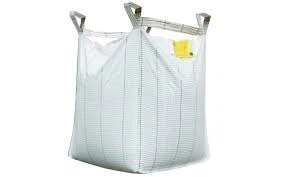
As a supplier of Paper - plastic Composite Flat Valve Bags, I understand the importance of proper storage for these products. Not only does it ensure the quality of the bags, but it also helps in maintaining their functionality and extending their lifespan. In this blog, I'll share some scientific and practical tips on how to store Paper - plastic Composite Flat Valve Bags properly.
Understanding the Composition of Paper - plastic Composite Flat Valve Bags
Before delving into storage methods, it's crucial to understand what Paper - plastic Composite Flat Valve Bags are made of. These bags are a combination of paper and plastic materials. The paper layer provides strength, printability, and a natural look, while the plastic layer offers moisture resistance, durability, and protection against contaminants. This unique combination makes them suitable for a wide range of applications, from packaging food products to industrial chemicals.
Ideal Storage Conditions
Temperature
The temperature of the storage area plays a significant role in the quality of Paper - plastic Composite Flat Valve Bags. Extreme temperatures can cause the materials to expand or contract, leading to structural damage. For example, high temperatures can make the plastic layer more flexible and prone to deformation, while low temperatures can make the paper layer brittle and more likely to crack.
The ideal temperature range for storing these bags is between 10°C and 30°C (50°F and 86°F). Maintaining a relatively stable temperature within this range helps to preserve the integrity of both the paper and plastic components. If the storage area is not climate - controlled, it's advisable to monitor the temperature regularly and take appropriate measures to adjust it if necessary.
Humidity
Humidity is another critical factor. Excessive humidity can cause the paper layer to absorb moisture, leading to swelling, mold growth, and a reduction in strength. On the other hand, extremely low humidity can make the paper dry and brittle.
The recommended humidity level for storing Paper - plastic Composite Flat Valve Bags is between 40% and 60%. To control humidity, you can use dehumidifiers in humid environments or humidifiers in dry ones. Additionally, proper ventilation in the storage area can help to maintain a balanced humidity level.
Storage Location
Indoor Storage
Indoor storage is generally the best option for Paper - plastic Composite Flat Valve Bags. It provides protection from direct sunlight, rain, snow, and other environmental factors. When choosing an indoor storage location, select a clean, dry, and well - ventilated area. Avoid areas near sources of heat, such as boilers or radiators, as well as areas prone to flooding or water leaks.
The storage area should also be free from pests. Rodents and insects can damage the bags by chewing on the paper or plastic layers. To prevent pest infestations, keep the area clean, seal any cracks or holes in the walls or floors, and use pest control measures if necessary.


Shelving and Racking
Using appropriate shelving and racking systems can help to organize the storage of Paper - plastic Composite Flat Valve Bags. Shelves should be sturdy and level to prevent the bags from toppling over. It's recommended to stack the bags in an orderly manner, with the valve side up to prevent any damage to the valve mechanism.
When stacking the bags, avoid overloading the shelves. Excessive weight can cause the bags at the bottom to deform or get crushed. A good rule of thumb is to limit the height of the stack based on the strength of the bags and the stability of the shelving system.
Packaging and Protection
Original Packaging
Keep the Paper - plastic Composite Flat Valve Bags in their original packaging as much as possible. The original packaging is designed to provide some level of protection during storage and transportation. It can help to prevent dust, dirt, and moisture from reaching the bags.
If the original packaging is damaged, consider using alternative protective materials, such as plastic shrink wrap or large plastic bags. These materials can provide an additional layer of protection against environmental factors.
Labeling
Proper labeling is essential for easy identification and inventory management. Label each stack or pallet of bags with information such as the bag size, quantity, production date, and expiration date (if applicable). This information can help you to rotate the stock effectively, ensuring that the oldest bags are used first.
Handling During Storage
Minimize Handling
Excessive handling of Paper - plastic Composite Flat Valve Bags during storage can increase the risk of damage. When moving the bags, use appropriate handling equipment, such as forklifts or pallet jacks, to avoid manual lifting and potential tearing or crushing.
Inspection
Regularly inspect the stored bags for any signs of damage, such as tears, holes, or mold growth. If any damaged bags are found, remove them from the storage area immediately to prevent further contamination or damage to the other bags.
Other Related Products
In addition to Paper - plastic Composite Flat Valve Bags, we also offer a variety of related products, such as Paper - plastic Composite M - fold Open Bag, Lined Paper - plastic Composite Packaging Bag, and Paper - plastic Composite Tear - open Bag. These products also require proper storage conditions similar to those of the flat valve bags.
Conclusion
Proper storage of Paper - plastic Composite Flat Valve Bags is essential for maintaining their quality and functionality. By controlling the temperature, humidity, choosing the right storage location, using appropriate packaging and protection, minimizing handling, and conducting regular inspections, you can ensure that the bags remain in good condition until they are ready for use.
If you are interested in purchasing our Paper - plastic Composite Flat Valve Bags or any of our other packaging products, we welcome you to contact us for a detailed discussion. We are committed to providing high - quality products and excellent customer service.
References
- Packaging Machinery Manufacturers Institute. "Best Practices for Packaging Material Storage."
- American Society for Testing and Materials (ASTM). Standards related to paper and plastic packaging materials.