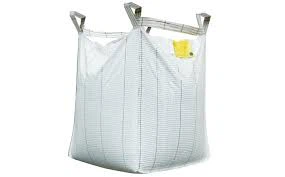
Hey there! I'm a supplier of Paper-plastic Composite Tear-open Bags, and today I wanna chat about how to optimize the production process of these bags. It's a topic that's super important to me, as it directly impacts the quality, efficiency, and cost of our products. So, let's dive right in!
Understanding the Basics
First off, let's get a clear idea of what paper-plastic composite tear-open bags are. These bags are made by combining paper and plastic materials, which gives them the best of both worlds. The paper provides a natural and eco-friendly look, while the plastic adds strength, durability, and moisture resistance. They're widely used in various industries, like food, chemicals, and agriculture, for packaging all sorts of products.
Analyzing the Current Process
Before we can optimize the production process, we need to take a good look at how things are currently done. This involves identifying the steps involved in making the bags, from raw material preparation to the final packaging. We also need to look at the equipment and machinery used, as well as the labor requirements.
One of the first things we noticed is that there are a lot of manual processes involved in our production. For example, the cutting and sealing of the bags are still done by hand in some cases, which is not only time-consuming but also prone to errors. Another issue is that we're using some outdated equipment, which is not as efficient as it could be.
Identifying Areas for Improvement
Based on our analysis, we've identified several areas where we can make improvements to the production process. Here are some of the key areas:
Automation
One of the biggest opportunities for optimization is to automate as many processes as possible. This means investing in modern equipment and machinery that can perform tasks like cutting, sealing, and printing more quickly and accurately. For example, we could use automated cutting machines that can cut multiple layers of material at once, reducing the time and labor required.
Material Management
Another area where we can improve is in our material management. This involves ensuring that we have the right amount of raw materials on hand at all times, as well as minimizing waste. We can do this by implementing a just-in-time inventory system, which means ordering materials only when they're needed. We can also look for ways to recycle and reuse any scrap materials generated during the production process.
Quality Control
Quality control is essential in the production of paper-plastic composite tear-open bags. We need to ensure that each bag meets our high standards of quality before it's shipped to our customers. This involves implementing a rigorous quality control process at every stage of production, from raw material inspection to the final product testing. We can also use technology, like barcode scanners and vision systems, to help us detect and correct any quality issues early on.
Implementing the Improvements
Once we've identified the areas for improvement, it's time to start implementing the changes. This involves developing a detailed plan that outlines the steps we need to take, as well as the timeline and budget for each step.
Investing in New Equipment
One of the first steps in our plan is to invest in new equipment and machinery. We're looking at purchasing automated cutting machines, sealing machines, and printing presses that will help us increase our production efficiency and quality. These investments will require a significant upfront cost, but we believe that they'll pay off in the long run by reducing our labor costs and increasing our productivity.
Training the Staff
In addition to investing in new equipment, we also need to train our staff on how to use it effectively. This involves providing them with the necessary training and support to operate the new machines safely and efficiently. We'll also need to update our standard operating procedures to reflect the changes in the production process.
Streamlining the Processes
Another important step in our plan is to streamline the production processes. This involves eliminating any unnecessary steps or tasks that are slowing down the production. For example, we could reduce the number of times the bags are handled during the production process, which will not only save time but also reduce the risk of damage.
Monitoring and Evaluating the Results
Once we've implemented the improvements, it's important to monitor and evaluate the results. This involves tracking key performance indicators (KPIs) like production output, quality, and cost. We'll also need to collect feedback from our customers to ensure that they're satisfied with the quality of our products.
Based on the results of our monitoring and evaluation, we can make further adjustments to the production process as needed. This is an ongoing process, and we'll need to continuously look for ways to improve and optimize our operations.


Conclusion
Optimizing the production process of paper-plastic composite tear-open bags is a complex but rewarding task. By analyzing the current process, identifying areas for improvement, and implementing the necessary changes, we can increase our production efficiency, improve the quality of our products, and reduce our costs.
If you're interested in learning more about our paper-plastic composite tear-open bags or would like to discuss a potential purchase, please don't hesitate to reach out. We offer a wide range of products, including Paper-plastic Composite Square Bottom Flat Bag, Paper-plastic Composite M-fold Open Bag, and Paper-plastic Composite M-fold Valve Bag. We're always happy to work with our customers to find the best packaging solutions for their needs.
References
- "Packaging Technology Handbook" by Wilmer A. Jenkins and James P. Harrington
- "Lean Manufacturing: Tools and Techniques for Continuous Improvement" by Michael George and John Maxey
- Industry reports and publications on paper-plastic composite packaging