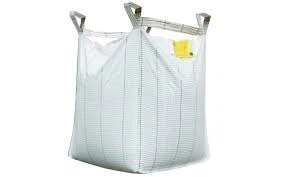
In the highly competitive world of packaging, paper-plastic composite printed bags have emerged as a popular choice for businesses across various industries. These bags combine the strength and durability of plastic with the eco-friendliness and printability of paper, offering a versatile and attractive packaging solution. As a supplier of paper-plastic composite printed bags, I understand the importance of optimizing the design of these bags to enhance their marketing appeal and drive sales. In this blog post, I will share some key strategies and considerations for optimizing the design of paper-plastic composite printed bags for better marketing.
Understanding Your Target Audience
The first step in optimizing the design of paper-plastic composite printed bags is to understand your target audience. Who are you trying to reach with your packaging? What are their preferences, needs, and expectations? By conducting market research and analyzing your target audience's demographics, psychographics, and buying behavior, you can gain valuable insights into what will resonate with them and inform your design decisions.
For example, if your target audience is environmentally conscious consumers, you may want to emphasize the eco-friendly aspects of your paper-plastic composite printed bags, such as their recyclability or use of sustainable materials. On the other hand, if your target audience is more concerned with convenience and functionality, you may want to focus on features such as easy opening, resealability, or portability.
Choosing the Right Bag Type
There are several different types of paper-plastic composite printed bags available, each with its own unique features and benefits. When choosing the right bag type for your product, it's important to consider factors such as the size and shape of your product, the type of contents you will be packaging, and the intended use of the bag.
Some common types of paper-plastic composite printed bags include:


- Paper-plastic Composite M-fold Valve Bag: These bags are ideal for packaging granular or powdery products, such as fertilizers, chemicals, or pet food. The M-fold design provides a tight seal and prevents the contents from leaking or spilling.
- Paper-plastic Composite Crepe Paper Sewn Bottom Bag: These bags are commonly used for packaging lightweight products, such as snacks, candies, or small items. The crepe paper construction adds a touch of elegance and makes the bag more visually appealing.
- Paper-plastic Composite Flat Valve Bag: These bags are suitable for packaging a wide range of products, including powders, granules, and liquids. The flat valve design allows for easy filling and sealing, making them a popular choice for industrial applications.
Designing Eye-Catching Graphics
Once you have chosen the right bag type for your product, the next step is to design eye-catching graphics that will grab the attention of your target audience and communicate your brand message effectively. Your bag's graphics should be visually appealing, easy to read, and consistent with your brand identity.
Here are some tips for designing effective graphics for your paper-plastic composite printed bags:
- Use high-quality images: High-resolution images can make your bag's graphics look more professional and engaging. Make sure to use images that are relevant to your product and brand, and that accurately represent the contents of the bag.
- Choose the right colors: Colors can have a powerful impact on how your bag is perceived by your target audience. Choose colors that are consistent with your brand identity and that evoke the emotions and associations you want to convey. For example, green is often associated with eco-friendliness, while red is associated with excitement and urgency.
- Keep it simple: Avoid cluttering your bag's graphics with too much information or too many elements. Keep your design simple and focused, and use clear and concise messaging to communicate your key selling points.
- Incorporate your brand logo: Your brand logo is one of the most important elements of your bag's design. Make sure to include it prominently on the bag, and use it consistently across all of your marketing materials.
Adding Value-Added Features
In addition to eye-catching graphics, you can also add value-added features to your paper-plastic composite printed bags to make them more attractive to your target audience and differentiate them from your competitors. Some examples of value-added features include:
- Resealability: Adding a resealable closure, such as a zipper or a press-to-close strip, can make your bag more convenient for your customers to use and help to keep the contents fresh.
- Window cutouts: Window cutouts can allow your customers to see the contents of the bag without having to open it, which can increase their confidence in your product and make it more appealing.
- Handles or straps: Adding handles or straps to your bag can make it more portable and easier to carry, which can be especially useful for larger or heavier products.
- Barcodes or QR codes: Adding barcodes or QR codes to your bag can make it easier for your customers to scan and purchase your product, and can also provide them with additional information about your brand and product.
Ensuring Quality and Durability
Finally, it's important to ensure that your paper-plastic composite printed bags are of high quality and durability. Your bags should be able to withstand the rigors of shipping, handling, and storage, and should protect your product from damage and contamination.
Here are some tips for ensuring the quality and durability of your paper-plastic composite printed bags:
- Choose high-quality materials: The quality of the materials used to make your bags will have a direct impact on their durability and performance. Make sure to choose materials that are strong, flexible, and resistant to tearing, puncturing, and moisture.
- Use proper printing techniques: The printing technique you use can also affect the quality and durability of your bag's graphics. Make sure to use a printing method that is suitable for the type of material you are using, and that provides high-quality, long-lasting results.
- Test your bags: Before you start mass-producing your bags, it's a good idea to test them to ensure that they meet your quality standards and perform as expected. You can conduct various tests, such as drop tests, burst tests, and seal strength tests, to evaluate the durability and performance of your bags.
Conclusion
Optimizing the design of paper-plastic composite printed bags is essential for enhancing their marketing appeal and driving sales. By understanding your target audience, choosing the right bag type, designing eye-catching graphics, adding value-added features, and ensuring quality and durability, you can create bags that not only protect your product but also attract and engage your customers.
If you're interested in learning more about how we can help you optimize the design of your paper-plastic composite printed bags, please don't hesitate to contact us. We'd be happy to discuss your specific needs and requirements, and to provide you with a free quote.
References
- Kotler, P., & Armstrong, G. (2010). Principles of marketing. Pearson Prentice Hall.
- Schiffman, L. G., & Kanuk, L. L. (2010). Consumer behavior. Pearson Prentice Hall.
- Smith, A. (2012). Packaging design: How to design packaging that sells. Rockport Publishers.