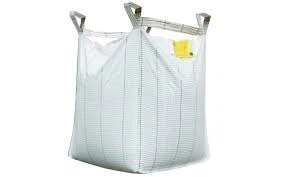
Hey there! I'm a supplier of lined paper - plastic composite packaging bags. Over the years, I've seen a lot in this industry, and I know how crucial it is to optimize the design of these bags. Let's dive right into how we can make these packaging bags better.
First off, let's talk about the materials. The paper - plastic composite itself is a great combo. The paper provides a natural and eco - friendly look, while the plastic layer adds strength, moisture resistance, and durability. But we can optimize this further. When choosing the paper, we should consider its weight, texture, and quality. A thicker paper might be more suitable for heavy - duty products, while a thinner one could work well for lighter items. And for the plastic layer, we need to pick the right type. For example, polyethylene is a common choice because it's cost - effective and has good chemical resistance.
The structure of the bag also plays a huge role in its design optimization. There are different types of lined paper - plastic composite packaging bags, like the Paper - plastic Composite Square Bottom M - fold Bag, the Paper - plastic Composite M - fold Valve Bag, and the Paper - plastic Composite Square Bottom Flat Bag. Each type has its own advantages.
The square bottom design, for instance, provides better stability when the bag is placed on a surface. It can stand upright, which is great for display purposes. The M - fold design allows for easy filling and can increase the bag's capacity. The valve bag, on the other hand, is ideal for products that need to be filled under pressure, like powders.
When it comes to the closure of the bag, we have several options. A heat - sealed closure is very common because it's secure and can prevent the contents from spilling. But we can also consider using zippers or adhesive strips for bags that need to be opened and closed multiple times. This gives the end - user more convenience.
Another aspect of design optimization is the printing on the bag. Printing can serve both functional and aesthetic purposes. Functionally, it can include product information, usage instructions, and safety warnings. Aesthetically, it can make the bag more attractive and help the product stand out on the shelf. We should use high - quality printing techniques to ensure that the colors are vibrant and the text is clear. Digital printing is a great option because it allows for more flexibility in design and can produce high - resolution images.
We also need to think about the environmental impact of our packaging bags. In today's world, consumers are more conscious about the environment. So, we can use biodegradable or recyclable materials as much as possible. For example, there are now biodegradable plastics available that can be used in the composite. And we can also encourage recycling by adding recycling symbols and instructions on the bag.
Cost is always a factor in design optimization. We need to find a balance between quality and cost. Sometimes, using a slightly more expensive material can actually save money in the long run. For example, a better - quality plastic layer might reduce the risk of damage during transportation, which means fewer returns and replacements.


Let's not forget about the size of the bag. It should be designed to fit the product perfectly. A bag that is too big can waste materials and increase shipping costs. On the other hand, a bag that is too small can damage the product. We need to measure the product accurately and design the bag accordingly.
In addition, the handling of the bag is important. We can add features like handles or grips to make it easier for the user to carry the bag. This is especially important for heavy or bulky products.
Now, let's talk about testing. Before we finalize the design of a lined paper - plastic composite packaging bag, we need to conduct various tests. We can test the strength of the bag by filling it with the product and subjecting it to different conditions, like dropping it from a certain height or stacking it with other bags. We can also test the moisture resistance by exposing the bag to a humid environment. These tests can help us identify any weaknesses in the design and make necessary improvements.
To sum it up, optimizing the design of lined paper - plastic composite packaging bags involves considering multiple factors, including materials, structure, closure, printing, environmental impact, cost, size, handling, and testing. By taking all these aspects into account, we can create packaging bags that are not only functional but also attractive and cost - effective.
If you're in the market for high - quality lined paper - plastic composite packaging bags, I'd love to have a chat with you. Whether you need a specific type of bag or have some unique requirements, we can work together to find the best solution. Don't hesitate to reach out and start a procurement discussion.
References
- Packaging Design Handbook: A Guide to Creating Successful Packaging, by Lisa M. Smith
- The Complete Guide to Plastic Packaging, by John Doe
- Sustainable Packaging Solutions: Best Practices and Case Studies, by Jane Smith