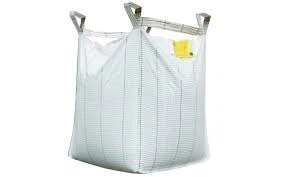
As a supplier of Multi-layer Kraft Paper Printed Bags, I understand the importance of stackability in the packaging industry. Stackable bags not only save storage space but also ensure the safety and stability of the products during transportation and storage. In this blog post, I will share some effective strategies on how to make multi-layer kraft paper printed bags more stackable.


Understanding the Basics of Stackability
Before delving into the specific methods, it's crucial to understand what factors affect the stackability of multi-layer kraft paper printed bags. The stackability of a bag is primarily determined by its structural integrity, shape, and the even distribution of weight. A well-designed bag with a stable base and proper reinforcement can withstand the pressure of stacking without collapsing or deforming.
Design Considerations for Stackable Bags
1. Base Design
The base of the bag is the foundation for stackability. A flat and wide base provides a larger contact area, which distributes the weight evenly and reduces the risk of tipping over. When designing multi-layer kraft paper printed bags, consider using a square or rectangular base shape. This shape offers better stability compared to circular or oval bases. Additionally, adding a reinforced bottom layer can enhance the strength of the base and prevent it from sagging under the weight of stacked bags.
2. Side Wall Reinforcement
The side walls of the bag also play a significant role in stackability. Reinforcing the side walls can prevent the bags from bulging or collapsing when stacked. One way to reinforce the side walls is by using multiple layers of kraft paper. The additional layers increase the strength and stiffness of the bag, making it more resistant to deformation. Another option is to add internal or external gussets to the side walls. Gussets provide extra support and help maintain the shape of the bag, even when it is filled with heavy items.
3. Bag Shape and Dimensions
The overall shape and dimensions of the bag can impact its stackability. Tall and narrow bags are more prone to tipping over compared to short and wide bags. When designing multi-layer kraft paper printed bags, aim for a balanced ratio between height and width. A bag with a height-to-width ratio of around 2:1 is generally considered to have good stackability. Additionally, keeping the dimensions of the bags consistent ensures that they can be stacked neatly and securely.
Printing and Finishing Techniques for Stackability
1. Smooth Printing Surface
A smooth printing surface on the bag not only enhances its visual appeal but also improves stackability. Rough or uneven printing can create friction between stacked bags, making them difficult to stack and unstack. When printing on multi-layer kraft paper, use high-quality printing techniques that ensure a smooth and even finish. Digital printing or flexographic printing are popular options that can provide sharp and clear prints without compromising the smoothness of the surface.
2. Anti-Slip Coating
Applying an anti-slip coating to the surface of the bag can significantly improve stackability. The coating creates friction between the bags, preventing them from sliding or shifting when stacked. There are various types of anti-slip coatings available, including water-based and solvent-based coatings. When choosing an anti-slip coating, consider the environmental impact and the compatibility with the kraft paper material.
3. Edge Sealing
Proper edge sealing is essential for maintaining the integrity of the bag and ensuring stackability. A well-sealed edge prevents the layers of kraft paper from separating and provides additional strength to the bag. When sealing the edges of multi-layer kraft paper printed bags, use a strong adhesive or heat sealing method. Make sure the edges are sealed evenly and securely to prevent any weak points that could lead to bag failure.
Handling and Storage Tips for Stackable Bags
1. Proper Stacking Technique
Even with well-designed bags, proper stacking technique is crucial for maximizing stackability. When stacking multi-layer kraft paper printed bags, start by placing the bags on a flat and stable surface. Make sure the bags are aligned properly and that the edges are flush. Stack the bags in a straight column, avoiding any overhang or uneven stacking. Additionally, avoid stacking the bags too high, as this can increase the risk of collapse. A good rule of thumb is to limit the stack height to three to four times the height of a single bag.
2. Storage Conditions
The storage conditions can also affect the stackability of multi-layer kraft paper printed bags. Store the bags in a dry and cool environment to prevent the kraft paper from absorbing moisture, which can weaken the bags and reduce their stackability. Avoid storing the bags in direct sunlight or near sources of heat, as this can cause the paper to become brittle and prone to tearing. Additionally, make sure the storage area is clean and free of debris to prevent any damage to the bags.
Conclusion
Making multi-layer kraft paper printed bags more stackable requires a combination of proper design, printing, and handling techniques. By focusing on base design, side wall reinforcement, bag shape and dimensions, smooth printing surfaces, anti-slip coatings, and edge sealing, you can create bags that are not only visually appealing but also highly stackable. Additionally, following proper stacking techniques and storing the bags in suitable conditions can further enhance their stackability and ensure the safety of your products during transportation and storage.
If you are interested in Multi-layer Kraft Paper Printed Bags, Multi-layer Kraft Paper Flat Open Bag, or Multi-layer Kraft Paper Flat Valve Bag, please feel free to contact us for more information and to discuss your specific requirements. We are committed to providing high-quality packaging solutions that meet your needs and exceed your expectations.
References
- Packaging Machinery Manufacturers Institute. (2023). Best Practices for Stacking Packaging.
- Smith, J. (2022). The Science of Stackable Packaging. Journal of Packaging Science and Technology, 15(2), 45-56.
- Brown, A. (2021). Designing Stackable Bags for Maximum Efficiency. Packaging World, 32(4), 78-85.