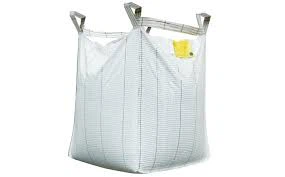
Hey there! I'm a supplier of Paper - plastic Composite Flat Open Bags. In this blog, I'm gonna share some tips on how to improve the printability of these bags.
First off, let's understand why printability matters. Good printability not only makes your bags look more professional but also helps in brand promotion. When the printing on your bags is clear, sharp, and long - lasting, it can attract more customers and make your products stand out on the shelves.


1. Material Selection
The quality of the materials used in paper - plastic composite flat open bags plays a huge role in printability. For the paper part, you wanna choose high - quality kraft paper. Kraft paper has good strength and absorbency, which are great for ink adhesion. A paper with a smooth surface will also ensure that the ink spreads evenly and gives a cleaner print.
As for the plastic layer, make sure it has the right surface energy. If the surface energy is too low, the ink won't stick well. You can use surface treatment methods like corona treatment to increase the surface energy of the plastic. This will help the ink bond better with the plastic layer.
When you're sourcing materials, work closely with reliable suppliers. They can provide you with detailed information about the materials' properties and help you choose the best ones for your printing needs. For example, if you're looking for other types of paper - plastic composite bags like [Paper - plastic Composite M - fold Valve Bag](/kraft - paper - packaging - bag/paper - plastic - composite - packaging - bag/paper - plastic - composite - m - fold - valve - bag.html), similar material selection principles apply.
2. Ink Selection
Choosing the right ink is crucial. You need to consider the type of printing process you're using, such as flexographic, gravure, or digital printing. Different printing processes require different types of inks.
For flexographic printing, water - based inks are a popular choice. They're environmentally friendly and can provide good print quality on paper - plastic composite bags. But make sure the water - based ink you choose is compatible with the materials of your bags. Otherwise, it may lead to poor adhesion or color fading.
Solvent - based inks are often used in gravure printing. They dry quickly and can produce high - quality, long - lasting prints. However, they may have some environmental concerns, so you need to handle them properly.
UV - curable inks are suitable for digital printing. They offer excellent adhesion, high gloss, and fast curing times. But they can be more expensive than other types of inks.
Before you start large - scale printing, do some test prints with different inks on your bags. This will help you determine which ink gives the best results in terms of color, adhesion, and durability.
3. Surface Preparation
Proper surface preparation is essential for good printability. As I mentioned earlier, corona treatment is a common method for treating the plastic surface of the bags. This treatment creates a rough surface at the molecular level, which increases the surface energy and allows the ink to stick better.
For the paper surface, you can use a coating or primer. A coating can improve the smoothness and ink receptivity of the paper. It can also protect the paper from moisture and other environmental factors that may affect the print quality.
Another important aspect of surface preparation is cleaning. Make sure the bags are free from dust, grease, and other contaminants before printing. Even a small amount of dirt can cause problems with ink adhesion and print quality. You can use a cleaning agent or a compressed air system to clean the bags.
4. Printing Process Optimization
The printing process itself needs to be optimized to improve printability. Here are some key points to consider:
- Printing Pressure: The right printing pressure is crucial. If the pressure is too low, the ink may not transfer properly to the bags, resulting in a faint or uneven print. On the other hand, if the pressure is too high, it can damage the bags or cause the ink to spread too much. You need to adjust the printing pressure according to the thickness and properties of your bags.
- Printing Speed: The printing speed also affects the print quality. A slower printing speed allows the ink more time to dry and adhere to the bags. However, if the speed is too slow, it can reduce productivity. You need to find a balance between speed and print quality.
- Drying Conditions: Proper drying is essential to prevent smudging and ensure good adhesion. The drying conditions depend on the type of ink you're using. For water - based inks, you may need to use a heat dryer or a combination of heat and ventilation. For UV - curable inks, a UV lamp is used to cure the ink quickly.
5. Quality Control
Implementing a strict quality control system is necessary to ensure consistent printability. Regularly inspect the printed bags for any defects such as color variation, ink smudging, or poor adhesion. You can use visual inspection or advanced quality control equipment like spectrophotometers to measure the color accuracy.
Keep records of the printing parameters and quality control results. This will help you identify any trends or issues and make adjustments to the printing process as needed.
6. Staff Training
Your staff plays a vital role in achieving good printability. Make sure they're well - trained in all aspects of the printing process, from material handling to equipment operation. Provide them with regular training sessions to keep them updated on the latest printing techniques and best practices.
Encourage your staff to share their ideas and feedback. They may have valuable insights based on their daily work experience, which can help improve the printability of your paper - plastic composite flat open bags.
In addition to these tips, if you're interested in other related products like [Paper - plastic Composite Printed Bag](/kraft - paper - packaging - bag/paper - plastic - composite - packaging - bag/paper - plastic - composite - printed - bag.html) or [Paper - plastic Composite Crepe Paper Sewn Bottom Bag](/kraft - paper - packaging - bag/paper - plastic - composite - packaging - bag/paper - plastic - composite - crepe - paper - sewn.html), the same principles of improving printability can be applied.
If you're looking for high - quality paper - plastic composite flat open bags with excellent printability, I'd love to have a chat with you. Whether you have specific printing requirements or need advice on material selection, I'm here to help. Let's work together to make your packaging stand out!
References
- "Packaging Printing Technology" - A comprehensive guide on different printing processes for packaging materials.
- "Materials for Packaging Applications" - A research paper that discusses the properties of various materials used in packaging and their impact on printability.