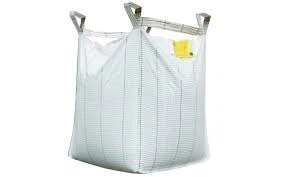
Hey there! I'm a supplier of Paper - plastic Composite M - fold Valve Bags, and today I wanna chat about how to improve the anti - aging performance of these bags.
First off, let's understand why anti - aging performance matters. Paper - plastic composite M - fold valve bags are widely used in various industries, like food, chemicals, and construction. They need to maintain their integrity and functionality over time. If they age too quickly, they can develop cracks, lose their strength, and even lead to product leakage. That's a big no - no for both us suppliers and our customers.


Material Selection
One of the most crucial steps in improving anti - aging performance is choosing the right materials. The paper component in our bags should be of high quality. Opt for kraft paper with a high tensile strength and good moisture resistance. Kraft paper is known for its durability, and when it's well - chosen, it can withstand environmental factors better.
The plastic layer also plays a vital role. Polyethylene (PE) is a common choice for the plastic part of the composite. We should select PE with anti - aging additives. These additives can protect the plastic from UV radiation, oxidation, and other factors that cause aging. For example, carbon black is a well - known UV stabilizer. When added to the PE, it can absorb UV rays and prevent them from breaking down the polymer chains in the plastic.
Manufacturing Process
The manufacturing process has a significant impact on the anti - aging performance of the bags. During the lamination process, where the paper and plastic are bonded together, we need to ensure a strong and uniform bond. A weak bond can lead to delamination over time, especially when the bag is exposed to moisture or mechanical stress.
We should also pay attention to the heat treatment during manufacturing. Excessive heat can damage the materials and reduce their anti - aging properties. So, we need to control the temperature and duration of the heat treatment carefully.
Another aspect is the printing process. If we print on the bags, we should use inks that are resistant to fading and degradation. Some inks can break down over time, especially when exposed to sunlight or chemicals, which can not only affect the appearance of the bags but also potentially weaken the materials.
Storage and Transportation
How we store and transport the bags can also influence their anti - aging performance. During storage, the bags should be kept in a cool, dry place. High humidity and temperature can accelerate the aging process. We should also protect the bags from direct sunlight. If possible, store them in a warehouse with UV - blocking curtains or in opaque containers.
When it comes to transportation, we need to ensure that the bags are not subjected to excessive mechanical stress. Rough handling, such as dropping or stacking too many bags on top of each other, can cause micro - cracks in the materials, which can develop into larger problems over time.
Coating and Surface Treatment
Applying a protective coating on the surface of the bags can enhance their anti - aging performance. A water - based acrylic coating, for example, can provide a barrier against moisture and UV rays. It can also improve the abrasion resistance of the bags.
Surface treatments like corona treatment can improve the adhesion of the coating to the bag surface. This ensures that the coating stays in place and provides long - term protection.
Quality Control
Quality control is essential at every stage of the process. We should conduct regular tests on the raw materials to ensure they meet our quality standards. For the finished bags, we can perform various tests, such as tensile strength tests, UV exposure tests, and moisture resistance tests.
By regularly testing the bags, we can identify any issues early on and make adjustments to our manufacturing process or material selection. This proactive approach can help us produce bags with better anti - aging performance.
Comparison with Other Bag Types
It's interesting to compare Paper - plastic Composite M - fold Valve Bags with other types of bags. For instance, Paper - plastic Composite Tear - open Bag has a different design and is mainly used for easy opening. However, in terms of anti - aging performance, the same principles of material selection and manufacturing process apply.
Lined Paper - plastic Composite Packaging Bag has an additional lining, which can provide extra protection. But again, the quality of the lining and the bonding process are crucial for its anti - aging properties.
Paper - plastic Composite Flat Open Bag has a different shape and usage scenario. Still, improving its anti - aging performance follows similar steps as the M - fold valve bags.
Conclusion
Improving the anti - aging performance of Paper - plastic Composite M - fold Valve Bags is a multi - faceted task. It involves careful material selection, a well - controlled manufacturing process, proper storage and transportation, and effective quality control. By paying attention to these aspects, we can produce bags that last longer and meet the needs of our customers.
If you're in the market for high - quality Paper - plastic Composite M - fold Valve Bags with excellent anti - aging performance, I'd love to have a chat with you. Whether you're from the food industry, chemical sector, or any other field that requires reliable packaging, we can work together to find the best solution for your needs. Let's discuss your specific requirements and see how we can provide you with the perfect bags.
References
- "Handbook of Plastic Films" - This book provides in - depth knowledge about plastic materials and their properties, including anti - aging characteristics.
- "Kraft Paper: Properties and Applications" - A useful resource for understanding the features and benefits of kraft paper in packaging.
- Research papers on packaging materials and their aging mechanisms from academic journals in the field of materials science and packaging engineering.