

Hey there! As a supplier of Paper - plastic Composite Flat Valve Bags, I've seen firsthand the importance of good adhesion between paper and plastic in these bags. It's not just about making the bag look nice; it's crucial for the bag's overall performance and durability. In this blog, I'm gonna share some tips on how to improve that all - important adhesion.
Understanding the Basics
Before we dive into the solutions, let's quickly understand why adhesion matters. Paper - plastic composite flat valve bags are used in a variety of industries, like the food, chemical, and construction sectors. These bags need to hold up under different conditions, such as moisture, temperature changes, and handling. If the paper and plastic layers don't stick together well, the bag can start to delaminate. That means the layers separate, and the bag loses its strength and integrity. This can lead to leaks, tears, and ultimately, product loss.
Surface Preparation
One of the first steps to improving adhesion is proper surface preparation. Both the paper and the plastic need to be clean and free of contaminants. For the paper, it might have dust, dirt, or oils on its surface. You can use a simple air blow - off system to remove any loose particles. This is a cost - effective and easy way to clean the paper before the lamination process.
On the plastic side, some plastics have a low surface energy, which makes it hard for the adhesive to bond. To increase the surface energy, you can use a process called corona treatment. Corona treatment uses a high - voltage electrical discharge to modify the plastic surface. It breaks the chemical bonds on the surface, creating a more reactive and sticky surface for the adhesive. Check out our Paper - plastic Composite Printed Bag for examples of well - adhered layers.
Choosing the Right Adhesive
The adhesive you choose plays a huge role in the adhesion between paper and plastic. There are different types of adhesives available, such as solvent - based, water - based, and hot - melt adhesives.
Solvent - based adhesives are known for their strong bonding properties. They can provide a high - strength bond between paper and plastic. However, they also have some drawbacks. They contain volatile organic compounds (VOCs), which can be harmful to the environment and human health. Plus, the drying process can be time - consuming and requires proper ventilation.
Water - based adhesives are a more environmentally friendly option. They have lower VOC emissions and are easier to clean up. They work well for many applications, but they might not be as strong as solvent - based adhesives in some cases. You need to make sure the paper and plastic are dry before applying the water - based adhesive, as any moisture can affect the bonding process.
Hot - melt adhesives are another popular choice. They are applied in a molten state and solidify quickly, providing an instant bond. They are great for high - speed production lines. But they can be sensitive to temperature changes. If the bag is exposed to high temperatures during storage or transportation, the hot - melt adhesive might soften and lose its bond strength.
When choosing an adhesive, consider the specific requirements of your application, such as the type of paper and plastic, the environmental conditions the bag will be exposed to, and the production speed.
Lamination Process Parameters
The lamination process itself also affects the adhesion. The temperature, pressure, and speed during lamination need to be carefully controlled.
Temperature is crucial. If the temperature is too low, the adhesive might not fully cure, and the bond will be weak. On the other hand, if the temperature is too high, it can damage the paper or plastic. You need to find the optimal temperature range for the adhesive you're using.
Pressure also plays a role. Applying the right amount of pressure helps to spread the adhesive evenly and ensures good contact between the paper and plastic layers. Too little pressure, and the layers might not bond properly. Too much pressure can cause the paper to wrinkle or the plastic to deform.
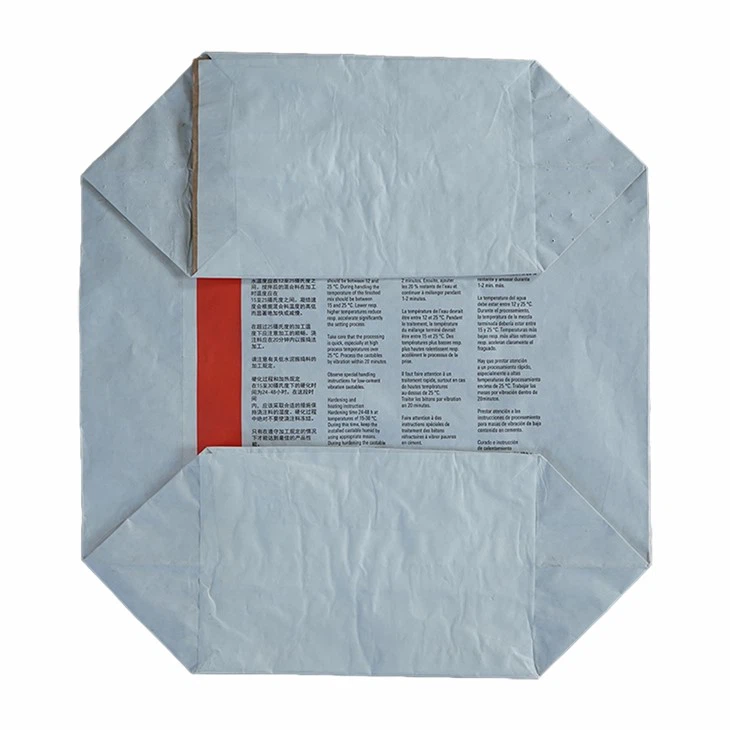

The speed of the lamination process is important too. A slower speed allows the adhesive more time to wet the surfaces and form a strong bond. But if the speed is too slow, it can reduce the production efficiency. You need to find a balance between speed and adhesion quality.
Post - Treatment
After the lamination process, there are some post - treatment steps that can improve the adhesion. One common method is to let the laminated bags age for a certain period. This allows the adhesive to fully cure and reach its maximum bond strength. You can store the bags in a controlled environment, with a stable temperature and humidity level.
Another post - treatment option is to apply a protective coating on the surface of the bag. This coating can help to protect the adhesive bond from external factors, such as moisture and abrasion. It can also enhance the overall appearance and durability of the bag.
Quality Control
Finally, quality control is essential to ensure good adhesion. You can perform regular tests on the laminated bags to check the bond strength. One simple test is the peel test. In a peel test, you try to separate the paper and plastic layers at a certain angle and speed. If the layers separate easily, it means the adhesion is poor. You can also use more advanced testing methods, such as shear strength testing, to measure the force required to slide the layers against each other.
By implementing these quality control measures, you can catch any adhesion problems early and make adjustments to the process.
Conclusion
Improving the adhesion between paper and plastic in paper - plastic composite flat valve bags is a multi - step process. It involves proper surface preparation, choosing the right adhesive, controlling the lamination process parameters, post - treatment, and quality control. By paying attention to these details, you can ensure that your bags have strong and durable adhesion, which will improve their performance and reliability.
If you're interested in our Paper - plastic Composite Flat Valve Bag or Paper - plastic Composite Square Bottom Flat Bag, or if you have any questions about improving adhesion in your packaging, feel free to reach out. We're here to help you with all your packaging needs and can provide customized solutions based on your requirements. Let's work together to create high - quality paper - plastic composite bags!
References
- "Handbook of Adhesive Technology" by Andrew Pizzi and K. L. Mittal
- "Plastic Packaging: Properties, Processing, Applications, and Regulations" by Wilmer A. Wypych


