Hey there! I'm a supplier of Multi - layer Kraft Paper Printed Bags, and I know how crucial it is to ensure the safety of these bags when they come into contact with food. In this blog, I'll share some key points on how we can make sure our multi - layer kraft paper printed bags are safe for food use.
1. Material Selection
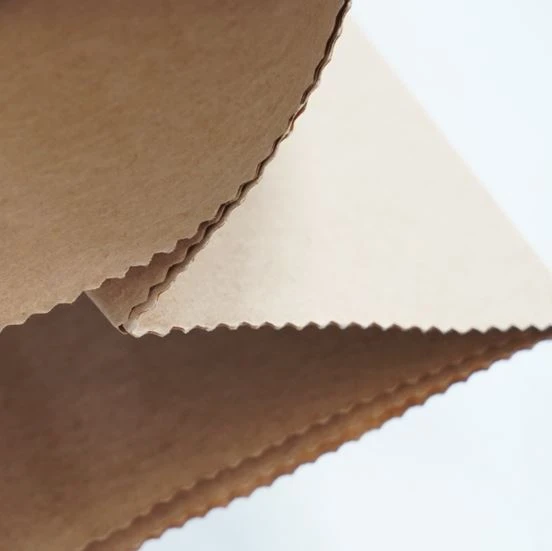
The first step in ensuring safety is choosing the right materials. Kraft paper itself is a great choice as it's made from wood pulp, which is a natural and renewable resource. But not all kraft paper is created equal when it comes to food contact.
We need to select kraft paper that is free from harmful chemicals. For example, it should not contain heavy metals like lead, mercury, or cadmium. These metals can leach into the food over time and pose serious health risks. Also, the paper should be free from excessive amounts of chlorine, which is sometimes used in the bleaching process. Chlorine can react with other substances in the paper and form harmful by - products.
When sourcing the kraft paper, we work with reliable suppliers who can provide us with certificates of compliance. These certificates confirm that the paper meets the relevant food safety standards. For instance, in the United States, the Food and Drug Administration (FDA) has strict regulations regarding materials that come into contact with food. We make sure that the kraft paper we use complies with these regulations.
In addition to the outer kraft paper, the inner layers of our multi - layer bags also matter. Some of our products, like the Lined Multi - layer Kraft Paper Packaging Bag, have a lining. The lining material should also be food - safe. Common lining materials include polyethylene (PE), which is widely used because it's non - toxic and has good barrier properties. It can prevent moisture, oxygen, and other contaminants from reaching the food.

2. Printing Inks and Adhesives
Printing on the bags adds value, but it can also be a source of safety concerns. The inks we use for printing must be food - safe. Traditional inks may contain solvents, heavy metals, and other harmful substances. We use water - based inks instead. Water - based inks are less toxic and have lower levels of volatile organic compounds (VOCs). VOCs can evaporate into the air and may be inhaled by consumers or can transfer to the food.
Before using any ink, we test it to ensure that it doesn't migrate into the food. Migration is when the ink components move from the bag to the food. We conduct migration tests according to international standards. For example, the European Union has specific regulations on ink migration for food packaging.
Adhesives are another important aspect. When we assemble the multi - layer bags, we use adhesives to bond the different layers together. These adhesives should also be food - safe. They should not release any harmful substances that could contaminate the food. We choose adhesives that are approved for food contact applications and have low odor and taste.
3. Manufacturing Process
The manufacturing process plays a vital role in ensuring the safety of the bags. Our production facilities are kept clean and hygienic. We have strict cleaning schedules for all the equipment used in the manufacturing process. This helps to prevent the buildup of dirt, dust, and bacteria.
During the production, we also control the environmental conditions. The temperature and humidity in the production area are carefully regulated. High humidity can cause the paper to absorb moisture, which may lead to the growth of mold and bacteria. On the other hand, low humidity can make the paper brittle and more likely to break.
We also implement quality control measures at every stage of the manufacturing process. For example, we check the thickness and strength of the paper regularly. If the paper is too thin, it may not provide adequate protection for the food. We also inspect the printed bags for any defects, such as smudged printing or uneven bonding of the layers.
4. Storage and Transportation
Once the bags are manufactured, proper storage and transportation are essential to maintain their safety. We store the bags in a clean, dry, and well - ventilated area. The storage area is protected from pests and rodents, which could contaminate the bags.
When transporting the bags, we use clean and sealed containers. This helps to prevent the bags from being exposed to dust, dirt, and other contaminants during transit. We also make sure that the bags are not stacked too tightly, as this could cause damage to the bags.
5. Testing and Certification
To give our customers peace of mind, we conduct regular testing on our multi - layer kraft paper printed bags. We test for physical properties like strength, tear resistance, and moisture barrier. We also test for chemical properties, such as the presence of harmful substances.
We obtain various certifications to prove the safety of our bags. For example, we have ISO 22000 certification, which is an international standard for food safety management systems. This certification shows that our production processes are designed to ensure the safety of the food packaging.
Our Product Range
We offer a wide range of multi - layer kraft paper printed bags. Our Multi - layer Kraft Paper Flat Valve Bag is great for products that need to be filled through a valve, like powders and granules. It has a strong structure and can be printed with high - quality graphics.
The Multi - layer Kraft Paper Square Bottom M - fold Bag is another popular option. It has a unique square bottom design that provides stability when placed on a shelf. The M - fold construction allows for easy filling and closing.
Contact Us for Procurement
If you're in the market for high - quality, food - safe multi - layer kraft paper printed bags, we'd love to hear from you. Whether you're a food manufacturer, distributor, or retailer, we can provide you with the right packaging solutions. We can customize the bags according to your specific requirements, including size, printing, and design. Don't hesitate to reach out to us for a quote and start discussing your procurement needs.
References
- Food and Drug Administration (FDA). Regulations on food contact materials.
- European Union. Regulations on ink migration in food packaging.
- ISO 22000:2018. Food safety management systems - Requirements for any organization in the food chain.