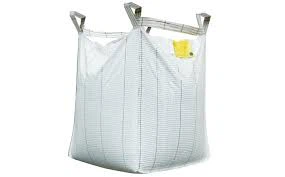
As a supplier of Paper - plastic Composite Flat Valve Bags for food use, ensuring the hygiene of these bags is of utmost importance. In the food industry, the packaging plays a crucial role in maintaining the quality and safety of the products. A hygienic paper - plastic composite flat valve bag can prevent contamination, extend the shelf - life of food, and meet the strict requirements of food safety regulations. In this blog, I will share some key strategies and practices to ensure the hygiene of these bags.
Raw Material Selection
The first step in ensuring the hygiene of paper - plastic composite flat valve bags is the careful selection of raw materials. For the paper component, we should choose high - quality food - grade kraft paper. This type of paper is made from natural wood pulp and is free from harmful substances such as heavy metals, dyes, and chemicals that could potentially leach into the food. It should also have good strength and moisture resistance to protect the food from external factors.
The plastic layer in the composite bag is usually made of polyethylene (PE) or polypropylene (PP). These plastics are widely used in the food packaging industry because they are non - toxic, odorless, and have excellent barrier properties against moisture, oxygen, and microorganisms. When sourcing these plastics, we must ensure that they are produced according to food safety standards and have passed relevant tests for migration of substances.
For example, we can require our raw material suppliers to provide certificates of compliance, such as food contact material certificates, which prove that the materials are safe for use in food packaging. By starting with high - quality and hygienic raw materials, we can lay a solid foundation for the production of hygienic paper - plastic composite flat valve bags.
Manufacturing Environment
The manufacturing environment has a significant impact on the hygiene of the bags. Our production facilities should be designed and maintained to meet strict hygiene standards. The production area should be clean, well - ventilated, and free from dust, dirt, and pests. Regular cleaning and disinfection of the production equipment, floors, and walls are essential.
We should also implement a strict personnel hygiene policy. Workers should wear clean work uniforms, hairnets, and gloves when handling the raw materials and manufacturing the bags. They should wash their hands thoroughly before starting work and after using the restroom or handling non - food - related items. Training programs on food safety and hygiene should be provided to all employees to ensure that they are aware of the importance of maintaining a hygienic working environment.
In addition, the production process should be carefully controlled to prevent cross - contamination. For example, different types of raw materials should be stored separately to avoid mixing. The production lines should be cleaned and sanitized between different production runs to prevent the carry - over of contaminants.
Production Process Control
During the manufacturing process, several steps need to be carefully controlled to ensure the hygiene of the paper - plastic composite flat valve bags.
Lamination
The lamination process, which combines the paper and plastic layers, should be carried out under clean conditions. The adhesives used in lamination must be food - grade and free from harmful substances. The temperature and pressure during lamination should be carefully adjusted to ensure a strong and uniform bond between the layers without causing any degradation of the materials.
Printing
If the bags are to be printed, the inks used must be food - safe. These inks should not contain heavy metals, solvents, or other toxic substances that could migrate into the food. The printing process should also be designed to minimize the contact between the printed area and the food. For more information on our [Paper - plastic Composite Printed Bag](/kraft - paper - packaging - bag/paper - plastic - composite - packaging - bag/paper - plastic - composite - printed - bag.html), you can visit our website.
Cutting and Sealing
The cutting and sealing operations should be precise to ensure that the bags have a proper shape and a tight seal. Any rough edges or incomplete seals can provide entry points for microorganisms. The cutting blades and sealing equipment should be regularly cleaned and maintained to prevent the accumulation of dirt and debris.
Quality Control and Testing
Quality control and testing are essential to ensure that the paper - plastic composite flat valve bags meet the required hygiene standards. We should conduct regular inspections during the production process to check for any visible defects such as holes, scratches, or improper seals.
In addition, we should perform various tests on the finished bags. Microbiological testing can be used to detect the presence of bacteria, mold, and yeast. Chemical testing can be carried out to analyze the migration of substances from the bag materials into the food. These tests should be conducted in accordance with relevant national and international standards.
For example, we can use the migration testing method specified in the European Union's food contact material regulations to ensure that the amount of substances migrating from the bags into the food is within the safe limits. By conducting these tests regularly, we can identify and address any potential hygiene issues before the bags are delivered to our customers.
Storage and Transportation
Proper storage and transportation are also crucial for maintaining the hygiene of the paper - plastic composite flat valve bags. The bags should be stored in a clean, dry, and well - ventilated warehouse. They should be protected from direct sunlight, moisture, and pests. The storage area should be regularly inspected to ensure that the bags are in good condition.
During transportation, the bags should be packed in clean and sealed containers to prevent contamination. The transportation vehicles should be clean and well - maintained. If the bags are transported in a shared vehicle, they should be separated from other non - food items to avoid cross - contamination.


Customer Education
As a supplier, we also have the responsibility to educate our customers on the proper use and storage of the paper - plastic composite flat valve bags. We can provide our customers with instructions on how to handle the bags to maintain their hygiene. For example, we can recommend that they store the filled bags in a cool and dry place and avoid exposing them to extreme temperatures or humidity.
We can also inform our customers about the importance of inspecting the bags before use. If they notice any signs of damage or contamination, they should not use the bags and contact us immediately.
In conclusion, ensuring the hygiene of paper - plastic composite flat valve bags for food use requires a comprehensive approach that covers raw material selection, manufacturing environment, production process control, quality control and testing, storage and transportation, and customer education. By implementing these strategies, we can provide our customers with high - quality and hygienic bags that meet the strict requirements of the food industry.
If you are interested in our Paper - plastic Composite Flat Valve Bags or other related products such as [Paper - plastic Composite Flat Open Bag](/kraft - paper - packaging - bag/paper - plastic - composite - packaging - bag/paper - plastic - composite - flat - open - bag.html) and [Paper - plastic Composite Flat Open Bag](/kraft - paper - packaging - bag/paper - plastic - composite - packaging - bag/paper - plastic - composite - flat - open - bag - factory.html), please feel free to contact us for more information and to discuss your procurement needs.
References
- European Union Commission Regulation (EU) No 10/2011 on plastic materials and articles intended to come into contact with food.
- US Food and Drug Administration (FDA) regulations on food contact materials.
- International Organization for Standardization (ISO) standards related to food packaging hygiene.