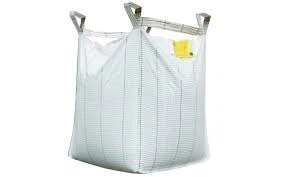
Hey there! I'm a supplier of Paper - plastic Composite M - fold Open Bags, and today I wanna chat about how to enhance the barrier properties of these bags.
First off, let's understand why barrier properties matter. In the packaging world, especially for products like food, chemicals, and pharmaceuticals, good barrier properties are a must. They keep the contents fresh, protect them from moisture, oxygen, light, and other external factors that could cause spoilage or degradation.
1. Material Selection
One of the most crucial steps in enhancing barrier properties is choosing the right materials. The paper part of our Paper - plastic Composite M - fold Open Bags is usually made of kraft paper. Kraft paper is strong and durable, but its barrier properties on its own are limited. That's where the plastic comes in.
We often use polyethylene (PE) as the plastic layer. PE has good moisture resistance. There are different types of PE, like low - density polyethylene (LDPE) and high - density polyethylene (HDPE). LDPE is more flexible and has better sealing properties, while HDPE is stiffer and offers better moisture and gas barrier performance. By carefully selecting the type of PE and its thickness, we can significantly improve the bag's overall barrier capabilities.
Another option is to use ethylene - vinyl alcohol (EVOH) as a barrier layer. EVOH has excellent oxygen and aroma barrier properties. It can be co - extruded with PE to create a multi - layer structure. This multi - layer approach combines the best properties of different materials, giving us a bag that can effectively protect the contents from multiple threats.
If you're interested in other types of paper - plastic composite bags, check out our Paper - plastic Composite Flat Valve Bag and Paper - plastic Composite Square Bottom M - fold Bag.
2. Coating and Laminating
Coating is another effective way to enhance the barrier properties of our bags. We can apply a coating on either the paper or the plastic layer. For example, a wax coating on the paper can improve its moisture resistance. Wax forms a physical barrier that prevents water from penetrating the paper.
Silicone coatings are also popular. They can provide a smooth surface, which not only helps with the bag's appearance but also enhances its grease and oil resistance. Some coatings can also have anti - static properties, which is important when packaging products that are sensitive to static electricity.
Laminating is a process of bonding two or more layers together. We can laminate additional barrier films to the paper - plastic composite structure. For instance, a metallized film can be laminated to the bag. Metallized films, usually made of aluminum - coated polyester, have excellent oxygen and light barrier properties. They reflect light and block oxygen, keeping the contents inside the bag fresh for a longer time.


3. Sealing Techniques
A well - sealed bag is essential for maintaining good barrier properties. There are different sealing methods for Paper - plastic Composite M - fold Open Bags. Heat sealing is one of the most common methods. When we heat the plastic layers, they melt and bond together, creating a strong seal.
The quality of the seal depends on several factors, such as the temperature, pressure, and sealing time. If the temperature is too low, the plastic may not melt properly, resulting in a weak seal. On the other hand, if the temperature is too high, it can damage the bag and reduce its barrier performance.
Ultrasonic sealing is another option. It uses high - frequency ultrasonic vibrations to generate heat and bond the plastic layers. Ultrasonic sealing is fast and can create a clean, strong seal. It's especially useful for bags that require high - speed production.
4. Quality Control
Quality control is an ongoing process that starts from the raw material stage and continues throughout the production process. We need to test the raw materials regularly to ensure they meet our quality standards. For example, we can test the moisture content of the paper and the thickness and barrier properties of the plastic layers.
During the production of the bags, we also need to monitor the coating, laminating, and sealing processes. We can use non - destructive testing methods, like gas permeability testers, to check the bag's barrier performance at different stages of production. This way, we can quickly identify and correct any issues that may affect the bag's barrier properties.
5. Design Considerations
The design of the bag can also impact its barrier properties. The M - fold design itself has some advantages. It allows for a more compact and stable shape, which can reduce the risk of damage during handling and transportation.
We can also add features like a zipper or a resealable closure. This not only provides convenience for the end - user but also helps to maintain the bag's barrier properties after it's been opened. A good resealable closure can prevent air and moisture from entering the bag, keeping the contents fresh for longer.
If you're looking for a different style of open bag, take a look at our Paper - plastic Composite Flat Open Bag.
In conclusion, enhancing the barrier properties of Paper - plastic Composite M - fold Open Bags is a multi - faceted process. It involves careful material selection, proper coating and laminating techniques, effective sealing methods, strict quality control, and smart design choices.
If you're in the market for high - quality paper - plastic composite bags with excellent barrier properties, we'd love to have a chat with you. Whether you're packaging food, chemicals, or other products, we can provide customized solutions to meet your specific needs. Reach out to us for a detailed discussion about your requirements and how we can work together to get the best packaging for your products.
References
- Packaging Technology Handbook, edited by Wilmer A. Jenkins and James P. Harrington
- Plastic Films: Technology and Packaging Applications by Donatas Satas