Hey there! As a supplier of Bottom Lift Bulk Bags, I've seen firsthand how these bags are a game - changer in the bulk material handling industry. But one question that often comes up is, "How to empty a Bottom Lift Bulk Bag?" Well, let's dive right in and explore this topic.
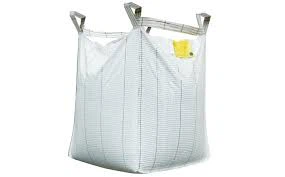
First off, let's understand what a Bottom Lift Bulk Bag is. A Bottom Lift Bulk Bag, you can check it out here, is designed to be lifted from the bottom. This design provides better stability during lifting and transportation compared to its counterpart, the Top Lift Bulk Bag.
So, why is it important to know how to empty these bags properly? Well, improper emptying can lead to a whole bunch of problems. You might end up with uneven discharge, which can cause spillage and waste. Plus, it can be a safety hazard if the bag isn't emptied correctly.
Step - by - Step Guide to Emptying a Bottom Lift Bulk Bag
Step 1: Preparation
Before you start emptying the bag, you need to make sure you're in a safe and suitable environment. Clear the area around the bag of any obstacles that could get in the way during the emptying process. Check the bag for any signs of damage, like tears or holes. If you find any, it's best to transfer the contents to a new bag to avoid spillage.
Also, make sure you have the right equipment on hand. You'll need a hoist or a forklift to lift the bag, and a discharge spout or a funnel to direct the flow of the material into the desired container.
Step 2: Lifting the Bag
Use the hoist or forklift to lift the Bottom Lift Bulk Bag gently. Make sure the bag is balanced and stable. You don't want it to tip over or swing around during the lifting process. Position the bag over the discharge point, like a storage silo or a processing machine.
Step 3: Opening the Discharge Port
Most Bottom Lift Bulk Bags have a discharge port at the bottom. This port is usually sealed with a drawstring or a flap. Carefully untie the drawstring or open the flap. You might need to use a tool like a pair of scissors if the drawstring is tightly knotted.
Step 4: Controlling the Flow
Once the discharge port is open, the material will start to flow out. You need to control the flow to prevent spillage. If the bag has a flow control valve, adjust it to regulate the speed of the discharge. If not, you can use a piece of cardboard or a sheet of metal to block part of the discharge port and slow down the flow.
Step 5: Monitoring the Emptying Process
Keep an eye on the bag as it empties. Make sure the material is flowing evenly and that there are no blockages in the discharge port. If you notice any blockages, you can gently tap the side of the bag to dislodge the material.
Step 6: Final Checks
Once the bag is mostly empty, give it a few more taps to make sure all the material has come out. Check the inside of the bag for any remaining material. If there's still some left, you can use a brush or a vacuum cleaner to remove it.
Tips for Efficient Emptying
- Use a Vibrator: If the material in the bag is prone to bridging or caking, you can use a vibrator to help break it up and improve the flow. Attach the vibrator to the side of the bag and turn it on for a few seconds at a time.
- Proper Bag Design: When choosing a Bottom Lift Bulk Bag, look for one with a well - designed discharge port. A port with a large diameter and a smooth interior will allow the material to flow more easily.
- Training: Make sure your employees are properly trained on how to empty Bottom Lift Bulk Bags. This will reduce the risk of accidents and improve the efficiency of the emptying process.
Common Problems and Solutions
Problem 1: Bridging
Bridging occurs when the material forms an arch inside the bag, preventing it from flowing out. To solve this problem, you can use a vibrator or a rod to break up the arch. You can also try gently shaking the bag to dislodge the material.
Problem 2: Spillage
Spillage can happen if the flow of the material is not controlled properly. To prevent spillage, make sure you have a suitable discharge spout or funnel in place. You can also use a catch basin to collect any spilled material.
Problem 3: Blockages
Blockages in the discharge port can be caused by foreign objects or clumps of material. To clear a blockage, you can try using a rod or a wire to poke through the port. If the blockage is severe, you might need to remove the bag and clean the port manually.


Conclusion
Emptying a Bottom Lift Bulk Bag might seem like a simple task, but it requires careful preparation and proper technique. By following the steps and tips outlined in this blog, you can ensure a safe and efficient emptying process.
If you're in the market for high - quality Bottom Lift Bulk Bags, we're here to help. We offer a wide range of bags that are designed to meet your specific needs. Whether you're handling food products, chemicals, or construction materials, we have the right bag for you. Contact us to start a conversation about your bulk bag requirements, and let's work together to find the best solution for your business.
References
- Industry standards for bulk bag handling and safety
- Manufacturer's guidelines for Bottom Lift Bulk Bags