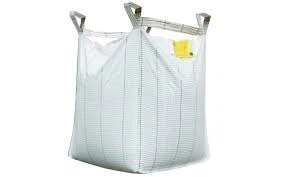
How to clean bulk bags for process handling is a crucial topic for anyone involved in industries that rely on these versatile containers. As a supplier of bulk bags for process handling, I understand the importance of maintaining the cleanliness and integrity of these bags to ensure optimal performance and product quality. In this blog post, I will share some practical tips and best practices for cleaning bulk bags effectively.
Understanding the Importance of Cleaning Bulk Bags
Bulk bags, also known as flexible intermediate bulk containers (FIBCs), are widely used in various industries for storing and transporting a wide range of dry, flowable materials such as chemicals, grains, minerals, and pharmaceuticals. Over time, these bags can accumulate dust, debris, and contaminants from the materials they carry, which can affect the quality of the next batch of products being stored or transported. Moreover, improper cleaning can lead to the growth of bacteria, mold, and fungi, posing a health risk to workers and consumers.
Cleaning bulk bags regularly not only helps to maintain the quality of the materials being handled but also extends the lifespan of the bags, reducing the need for frequent replacements. This, in turn, can result in significant cost savings for businesses in the long run. Additionally, clean bulk bags are more likely to meet strict industry standards and regulations, ensuring compliance and avoiding potential fines or penalties.
Pre-Cleaning Preparation
Before you start cleaning bulk bags, it is essential to take some preparatory steps to ensure a safe and effective cleaning process. Here are some key considerations:
- Inspect the Bags: Before cleaning, visually inspect the bulk bags for any signs of damage, such as tears, holes, or weak seams. Damaged bags should be repaired or replaced before cleaning to prevent further deterioration during the cleaning process.
- Empty the Bags: Ensure that the bulk bags are completely empty of any residual materials before cleaning. This can be done by tipping the bags upside down and shaking them gently to dislodge any remaining particles.
- Choose the Right Cleaning Method: The cleaning method you choose will depend on several factors, including the type of material stored in the bags, the level of contamination, and the bag's construction. Common cleaning methods include dry brushing, vacuuming, washing, and steam cleaning.
- Gather the Necessary Equipment: Depending on the cleaning method you choose, you will need to gather the appropriate equipment, such as brushes, vacuums, washing machines, or steam cleaners. Make sure the equipment is in good working condition and suitable for the task at hand.
- Wear Protective Gear: When cleaning bulk bags, it is important to wear appropriate protective gear, such as gloves, goggles, and respirators, to protect yourself from dust, chemicals, and other contaminants.
Cleaning Methods
Dry Brushing
Dry brushing is a simple and effective method for removing loose dust and debris from the surface of bulk bags. To dry brush a bulk bag, follow these steps:
- Lay the bag flat on a clean surface.
- Use a stiff-bristled brush to gently brush the entire surface of the bag, paying special attention to the seams and corners.
- Brush in one direction to avoid spreading the dust and debris.
- Use a vacuum cleaner to remove the loosened dust and debris from the surface of the bag.
Vacuuming
Vacuuming is another effective method for removing dust and debris from bulk bags. To vacuum a bulk bag, follow these steps:
- Use a vacuum cleaner with a high-efficiency particulate air (HEPA) filter to prevent the release of dust and other contaminants into the air.
- Attach a soft-bristled brush or a crevice tool to the vacuum cleaner hose.
- Slowly and thoroughly vacuum the entire surface of the bag, including the seams and corners.
- Pay special attention to areas where dust and debris tend to accumulate, such as the bottom of the bag and the folds.
Washing
Washing bulk bags is a more thorough cleaning method that can remove stubborn stains, dirt, and contaminants. However, it is important to note that not all bulk bags are suitable for washing. Before washing a bulk bag, check the manufacturer's instructions to ensure that the bag can withstand the washing process. To wash a bulk bag, follow these steps:


- Fill a large washing machine or a commercial laundry tub with warm water and a mild detergent.
- Immerse the bulk bag in the water and gently agitate it to loosen the dirt and stains.
- Let the bag soak in the water for at least 30 minutes to allow the detergent to penetrate the fabric.
- Use a soft-bristled brush to scrub the bag gently, paying special attention to the heavily soiled areas.
- Rinse the bag thoroughly with clean water to remove all traces of detergent.
- Hang the bag to dry in a well-ventilated area, away from direct sunlight.
Steam Cleaning
Steam cleaning is a powerful cleaning method that can effectively remove dirt, stains, and bacteria from bulk bags. It is particularly useful for cleaning bags that are contaminated with oil, grease, or other stubborn substances. To steam clean a bulk bag, follow these steps:
- Use a commercial steam cleaner with a high-pressure steam output.
- Hold the steam cleaner nozzle a few inches away from the surface of the bag and slowly move it back and forth over the entire surface of the bag.
- Pay special attention to the seams, corners, and other areas where dirt and contaminants tend to accumulate.
- Use a clean, dry cloth to wipe away the excess moisture and dirt from the surface of the bag.
- Let the bag dry completely before using it again.
Post-Cleaning Inspection and Storage
After cleaning the bulk bags, it is important to inspect them carefully to ensure that they are clean and in good condition. Here are some key points to check:
- Visual Inspection: Visually inspect the bags for any remaining dirt, stains, or damage. If any issues are found, repeat the cleaning process or take appropriate action to repair or replace the bags.
- Odor Check: Check the bags for any unpleasant odors. If the bags still have a strong odor after cleaning, it may indicate that they are still contaminated and require further cleaning.
- Drying Verification: Ensure that the bags are completely dry before storing them. Damp or wet bags can promote the growth of mold and bacteria, which can contaminate the next batch of materials being stored or transported.
Once the bulk bags have been inspected and deemed clean and dry, they should be stored properly to prevent re-contamination. Here are some tips for storing bulk bags:
- Store in a Clean Area: Store the bags in a clean, dry, and well-ventilated area away from sources of dust, dirt, and moisture.
- Use Shelving or Racks: Use shelves or racks to store the bags off the floor to prevent them from coming into contact with dirt and debris.
- Cover the Bags: Cover the bags with a clean, breathable cover to protect them from dust and other contaminants.
- Rotate the Stock: Rotate the stock of bulk bags regularly to ensure that the oldest bags are used first and to prevent the bags from becoming damaged or contaminated over time.
Conclusion
Cleaning bulk bags for process handling is an essential task that requires careful planning, proper equipment, and attention to detail. By following the tips and best practices outlined in this blog post, you can ensure that your bulk bags are clean, safe, and in good condition, which will help to maintain the quality of the materials being handled and extend the lifespan of the bags.
If you are in the market for high-quality bulk bags for process handling, Bottom Lift Bulk Bag and Top Lift Bulk Bag are two excellent options to consider. Our bulk bags are designed and manufactured to meet the highest industry standards and are available in a variety of sizes, styles, and configurations to meet your specific needs.
If you have any questions or would like to discuss your bulk bag requirements further, please feel free to contact us. We would be happy to assist you with your procurement and provide you with a competitive quote.
References
- "Bulk Bags: A Guide to Selection, Use, and Care." FIBC Association.
- "Cleaning and Maintenance of Flexible Intermediate Bulk Containers (FIBCs)." International Safety Equipment Association.
- "Best Practices for Cleaning and Reusing Bulk Bags." Chemical Engineering.