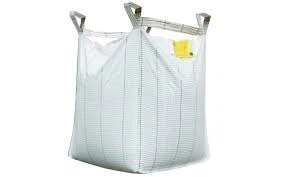
As a supplier of Top Lift Bulk Bags, ensuring the quality of our products is not just a goal; it's the cornerstone of our business. In this blog post, I'll share the comprehensive measures we take to guarantee the high - quality standards of our Top Lift Bulk Bags.
1. Raw Material Selection
The quality of Top Lift Bulk Bags starts with the raw materials. We source our polypropylene (PP) fabric from reputable suppliers who adhere to strict quality control processes. Polypropylene is a popular choice for bulk bags due to its excellent strength - to - weight ratio, chemical resistance, and durability.
We conduct in - house testing on incoming raw materials. For instance, we test the tensile strength of the PP fabric. Tensile strength is a critical parameter as it determines how much weight the bag can withstand without tearing. We use a universal testing machine to pull the fabric samples until they break, measuring the maximum force applied. Only fabrics that meet our pre - set tensile strength requirements are used in the production of Top Lift Bulk Bags.
In addition to tensile strength, we also examine the fabric's thickness and uniformity. A consistent thickness ensures even distribution of stress across the bag, reducing the risk of weak spots. We use calipers to measure the thickness at multiple points on the fabric roll, and any rolls with significant thickness variations are rejected.
2. Design and Engineering
The design of Top Lift Bulk Bags is crucial for their performance. Our team of experienced engineers uses advanced software to simulate different loading and lifting scenarios. This allows us to optimize the bag's shape, size, and the placement of lifting loops.
The lifting loops are one of the most critical components of a Top Lift Bulk Bag. They need to be strong enough to support the weight of the filled bag during lifting and transportation. We use reinforced stitching techniques to attach the loops to the bag. The number and size of the loops are determined based on the maximum capacity of the bag. For example, larger bags with higher capacities may require four or more heavy - duty lifting loops.
We also pay attention to the overall shape of the bag. A well - designed bag should have a stable base and a shape that allows for easy filling and emptying. Our designs take into account the characteristics of the materials to be stored, such as flowability and density.


3. Manufacturing Process
Our manufacturing process is highly automated and closely monitored. We use state - of - the - art machinery to cut, sew, and assemble the Top Lift Bulk Bags. Each step of the manufacturing process is subject to quality control checks.
During the cutting process, we ensure that the fabric is cut to the correct dimensions. Any deviations from the specified size can affect the bag's performance. We use laser cutting technology, which provides high precision and clean edges.
Sewing is another critical step. We use high - quality threads that are resistant to abrasion and UV rays. Our sewing machines are calibrated regularly to ensure consistent stitch quality. After sewing, we visually inspect each seam for any signs of loose threads, skipped stitches, or weak points.
Assembly of the bag involves attaching the lifting loops, filling spouts, and discharge openings. We use specialized equipment to ensure a secure and tight fit. For example, the filling spout is designed to prevent spillage during filling, and the discharge opening is engineered for easy and efficient emptying.
4. Quality Assurance Testing
Once the Top Lift Bulk Bags are manufactured, they undergo a series of rigorous quality assurance tests.
4.1. Drop Test
The drop test is used to simulate the impact that a bag may experience during handling. We fill the bag with a specified weight of test material and drop it from a predetermined height onto a hard surface. The bag should remain intact without any visible damage or leakage. If the bag fails the drop test, it is re - evaluated, and the manufacturing process is reviewed to identify the root cause of the failure.
4.2. Lift Test
In the lift test, we use a crane or a lifting device to lift the filled bag to a certain height and hold it for a specified period. The lifting loops and the bag's body should not show any signs of stress or failure. We measure the stress on the lifting loops using strain gauges to ensure that they are within the safe working load limits.
4.3. Static and Dynamic Stability Tests
Static stability tests are conducted to ensure that the filled bag can stand upright without tipping over. We place the bag on a flat surface and check its stability under different loading conditions. Dynamic stability tests simulate the movement of the bag during transportation. We use a vibration table to shake the filled bag and observe its behavior. The bag should remain stable and not spill its contents.
5. Certification and Compliance
We ensure that our Top Lift Bulk Bags meet all relevant international standards and regulations. Our products are certified by recognized testing organizations, such as the International Organization for Standardization (ISO). ISO standards cover various aspects of bulk bag quality, including design, construction, and performance.
Compliance with local regulations is also a top priority. Different countries may have specific requirements regarding the use of bulk bags for certain types of materials, such as food products or hazardous substances. We work closely with regulatory authorities to ensure that our bags meet all the necessary safety and environmental standards.
6. Continuous Improvement
We believe in continuous improvement. We collect feedback from our customers, analyze the performance data of our bags in the field, and use this information to make improvements to our products and processes.
Customer feedback is invaluable. We encourage our customers to share their experiences with our Top Lift Bulk Bags, including any issues they may have encountered. We use this feedback to identify areas for improvement, such as modifying the design or changing the manufacturing process.
We also conduct regular internal audits to review our quality control procedures. These audits help us identify any potential weaknesses in our system and take corrective actions before they affect the quality of our products.
If you are in the market for high - quality Top Lift Bulk Bags, and you may also be interested in Bottom Lift Bulk Bag. We are committed to providing you with the best products and services. Please feel free to contact us for more information or to discuss your specific requirements. We look forward to the opportunity to work with you and meet your bulk bag needs.
References
- ISO 21898:2020 - Flexible intermediate bulk containers for general purposes - Safety requirements and testing methods.
- Manufacturer's guidelines for polypropylene fabric used in bulk bag production.
- Industry research on bulk bag design and engineering best practices.