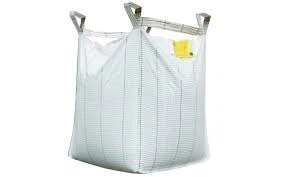
Hey there! As a supplier of paper - plastic composite packaging bags, I often get asked whether these bags have good anti - slip properties. So, let's dive right into this topic.
First off, we need to understand what affects the anti - slip performance of paper - plastic composite packaging bags. There are mainly two factors: the material and the surface structure.
The materials used in these bags play a crucial role. Paper, for instance, has a natural texture that can provide some friction. When combined with plastic, which can be engineered to have different levels of smoothness or roughness, it creates a unique surface characteristic. High - quality paper with a coarse fiber structure can enhance the anti - slip ability. On the other hand, if the plastic layer is too smooth, it might reduce the overall friction of the bag.
Surface structure also matters a great deal. Bags with embossed or textured surfaces tend to have better anti - slip properties. During the manufacturing process, we can use special techniques to create these textures. For example, some of our Paper - plastic Composite Flat Open Bag are designed with a slightly rough surface, which significantly increases the friction when the bag comes into contact with other objects.


Now, let's talk about some real - world applications. In industries where these bags are used to transport goods, anti - slip properties are super important. For example, in the food industry, when these bags are stacked on pallets during transportation, a good anti - slip feature can prevent the bags from sliding off and causing damage to the products inside. In the chemical industry, where the bags might be exposed to different environmental conditions, anti - slip properties ensure the stability of the stacked bags.
Another aspect to consider is the load on the bags. When a bag is fully loaded, the weight can affect the anti - slip performance. Our research shows that well - designed paper - plastic composite bags can maintain their anti - slip properties even under heavy loads. This is because the combination of paper and plastic materials distributes the weight evenly across the surface of the bag.
But it's not all about the positive side. There are some limitations too. In wet conditions, the anti - slip performance of these bags can be reduced. Paper can absorb water, which makes the surface softer and potentially more slippery. However, we are constantly working on improving this aspect. For example, we are researching new types of plastic coatings that can resist water and maintain the friction of the bag surface even when wet.
So, how do we measure the anti - slip properties of these bags? We use a device called a friction coefficient tester. This tester measures the force required to move one surface over another. By testing different samples of our paper - plastic composite packaging bags, we can get an accurate reading of their anti - slip capabilities. This data helps us in quality control and product improvement.
If you're in the market for paper - plastic composite packaging bags, the anti - slip property should be a key consideration. Our products are designed with the best balance of materials and surface structures to provide excellent anti - slip performance. Whether you're in the food, chemical, or any other industry that requires reliable packaging, we've got you covered.
If you're interested in learning more or making a purchase, feel free to reach out. We can have a detailed discussion about your specific needs and how our paper - plastic composite packaging bags can meet them.
References:
- Packaging Materials Handbook
- Journal of Applied Polymer Science