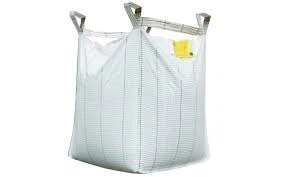
As a supplier of paper-plastic composite packaging bags, I often get asked about the transparency of these bags. It's a valid question, especially when considering the needs of different industries and products. In this blog post, I'll share some insights on whether paper-plastic composite packaging bags have a certain degree of transparency.
First off, let's understand what paper-plastic composite packaging bags are. These bags are made by combining paper and plastic materials. The paper layer provides strength, stiffness, and an eco - friendly touch, while the plastic layer can offer functions like moisture resistance, barrier properties, and sometimes, transparency.
Now, the answer to whether they have transparency is: it depends. There are different types of paper - plastic composite packaging bags, and their transparency varies based on the materials used and the manufacturing process.
Types of Paper - Plastic Composite Packaging Bags and Their Transparency
1. Paper - plastic Composite M - fold Open Bag
The Paper - plastic Composite M - fold Open Bag is a popular choice for many products. In some cases, if the plastic layer used in this bag is a clear plastic film, it can have a certain degree of transparency. For example, if a thin polyethylene (PE) film is laminated to the paper, you can see through the bag to some extent. This is useful when you want customers to have a quick look at the product inside, like small candies or lightweight items. However, if a more opaque plastic or a colored plastic film is used, the transparency will be reduced or completely eliminated.


2. Paper - plastic Composite Square Bottom M - fold Bag
The Paper - plastic Composite Square Bottom M - fold Bag is often used for products that require a bit more structure and a larger capacity. Similar to the M - fold open bag, its transparency depends on the plastic layer. Some manufacturers might use a high - density polyethylene (HDPE) film which can be semi - transparent. This allows for a partial view of the contents, which can be great for products like dry fruits or small hardware items. On the other hand, if a foil - lined plastic layer is used for better protection against light and oxygen, the bag will be opaque.
3. Paper - plastic Composite Flat Open Bag
The Paper - plastic Composite Flat Open Bag is a simple yet versatile option. If a clear polypropylene (PP) film is incorporated into the composite, the bag can have good transparency. This makes it suitable for products such as stationery or small cosmetics where visibility of the product is important. But again, if a non - transparent plastic or a thick paper layer dominates the structure, the transparency will be minimal.
Factors Affecting Transparency
1. Plastic Material
Different plastic materials have different levels of transparency. For example, polyvinyl chloride (PVC) can be very clear, offering high transparency. Polyethylene terephthalate (PET) is also known for its good clarity and is often used in applications where a high - quality see - through look is required. On the other hand, some plastics like low - density polyethylene (LDPE) can be a bit cloudy, resulting in lower transparency.
2. Thickness of Layers
The thickness of both the paper and plastic layers plays a role. A thick paper layer will naturally reduce the overall transparency of the bag. Similarly, a thick plastic layer might not be as clear as a thin one. If the plastic layer is too thick, it can also cause issues like increased weight and cost.
3. Coating and Printing
Coatings applied to the bag for additional protection or printing can affect transparency. A matte coating, for instance, will reduce the shine and make the bag less transparent. Printing on the bag, especially if it's a full - color or opaque print, can completely block the view of the contents.
Advantages of Transparent Paper - plastic Composite Packaging Bags
1. Product Visibility
As mentioned earlier, transparency allows customers to see the product inside the bag. This can be a major selling point, especially for impulse - buy items. When customers can see what they're getting, they're more likely to make a purchase.
2. Branding and Information
Transparent bags can also be used to show off the product's branding or additional information on the product itself. For example, if a product has a unique label or logo, a transparent bag can let customers see it clearly.
3. Quality Assurance
Customers can quickly check the quality of the product. They can look for any signs of damage or spoilage without having to open the bag. This builds trust between the customer and the brand.
Disadvantages of Transparent Paper - plastic Composite Packaging Bags
1. Light Sensitivity
Transparent bags can allow light to penetrate, which can be a problem for light - sensitive products. For example, some food products can be affected by light, leading to changes in color, flavor, or nutritional value.
2. Privacy Concerns
In some cases, transparency might not be desirable. For products that are personal or confidential, a non - transparent bag would be a better choice.
Applications Based on Transparency
1. Food Industry
In the food industry, both transparent and non - transparent paper - plastic composite bags are used. Transparent bags are great for products like snacks, cookies, and some types of fresh produce. Non - transparent bags are used for products that need to be protected from light, like coffee beans or tea.
2. Retail Industry
Retailers often use transparent paper - plastic composite bags for small items like jewelry, accessories, or beauty products. The transparency helps to attract customers and showcase the products.
3. Industrial and Hardware
For industrial and hardware products, non - transparent bags are more common. However, for small parts or components where visibility is important, transparent bags can be used.
Conclusion
So, do paper - plastic composite packaging bags have a certain degree of transparency? The answer is yes, but it varies widely depending on the type of bag, the materials used, and the manufacturing process. Whether you need a transparent or non - transparent bag depends on your product's requirements and your marketing strategy.
If you're in the market for paper - plastic composite packaging bags and want to discuss the transparency options for your specific product, feel free to reach out. We can help you choose the right type of bag that meets your needs in terms of transparency, functionality, and cost. Let's have a chat about your packaging requirements and find the perfect solution together.
References
- Packaging Technology Handbook, Third Edition
- Plastics in Packaging Applications, Second Edition