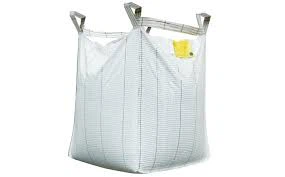
As a supplier of Paper - plastic Composite Flat Open Bags, I am often asked about the gas - barrier property of these bags. In the modern packaging industry, gas - barrier property is a crucial factor, especially when it comes to preserving the quality and freshness of the products inside the packages. This blog post aims to explore whether Paper - plastic Composite Flat Open Bags have a good gas - barrier property.
Understanding Paper - plastic Composite Flat Open Bags
Paper - plastic composite materials combine the advantages of paper and plastic. Paper offers a natural, eco - friendly appearance and good printability, while plastic provides waterproof, durability, and flexibility. The flat open design of the bags makes them easy to fill and suitable for a wide range of products, such as food, chemicals, and powders.
The structure of paper - plastic composite materials usually consists of several layers. A typical structure might include a layer of paper on the outer side for printing and handling, a layer of plastic film in the middle for protection and gas - barrier, and perhaps an inner layer for food contact safety if it is used for food packaging.
The Importance of Gas - Barrier Property
Gas - barrier property refers to the ability of a packaging material to prevent the passage of gases, mainly oxygen, carbon dioxide, and water vapor. Oxygen, for example, can cause oxidation of food products, leading to spoilage, loss of flavor, and reduced nutritional value. In the case of chemical products, gases can react with the contents, causing degradation or a change in properties.
A good gas - barrier packaging material can significantly extend the shelf - life of products, reducing waste and ensuring that consumers receive high - quality items. For perishable goods like fruits, vegetables, and meat, a high - performance gas - barrier package is almost a necessity.
Factors Affecting the Gas - Barrier Property of Paper - plastic Composite Flat Open Bags
1. Plastic Layer Material
The type of plastic used in the composite plays a vital role in determining the gas - barrier property. Some plastics, such as polyethylene terephthalate (PET), have relatively good oxygen - barrier properties. PET is commonly used in beverage bottles and food containers due to its ability to keep oxygen out. Polyvinylidene chloride (PVDC) is another excellent gas - barrier plastic. It has extremely low permeability to oxygen and water vapor, making it a popular choice for high - end food packaging.


On the other hand, low - density polyethylene (LDPE), which is often used for its flexibility and low cost, has relatively poor gas - barrier properties compared to PET or PVDC. When selecting a plastic layer for paper - plastic composite flat open bags, the specific gas - barrier requirements of the product to be packaged must be considered.
2. Layer Thickness
The thickness of the plastic layer also affects the gas - barrier property. Generally, a thicker plastic layer provides better gas - barrier performance. However, increasing the thickness also means higher costs and potentially reduced flexibility. Therefore, a balance needs to be struck between gas - barrier requirements, cost, and other physical properties of the bag.
For example, in some applications where a very long shelf - life is required, such as in the case of some dried or powdered foods, a relatively thick plastic layer might be used. In contrast, for products with a shorter shelf - life or lower sensitivity to gas, a thinner plastic layer can be sufficient.
3. Sealing Quality
Even if the bag material itself has good gas - barrier properties, a poor seal can compromise the overall performance. The sealing process for paper - plastic composite flat open bags needs to be carefully controlled. Heat sealing is a common method, but factors such as temperature, pressure, and sealing time can affect the quality of the seal.
A weak or incomplete seal can allow gases to enter or escape the bag, reducing the effectiveness of the gas - barrier. Regular quality control checks of the sealing process are essential to ensure that each bag meets the required gas - barrier standards.
4. Storage and Handling Conditions
The gas - barrier property of paper - plastic composite flat open bags can also be affected by the storage and handling conditions. Exposure to high temperatures, humidity, and mechanical stress can damage the bag material and reduce its gas - barrier performance.
For example, if the bags are stored in a hot and humid environment for a long time, the plastic layer might expand or become more permeable. Similarly, rough handling during transportation can cause scratches or tears on the bag surface, which can also compromise the gas - barrier.
Evaluating the Gas - Barrier Property of Paper - plastic Composite Flat Open Bags
There are several methods to evaluate the gas - barrier property of packaging materials, including oxygen transmission rate (OTR) and water vapor transmission rate (WVTR) tests. The OTR measures the amount of oxygen that passes through a unit area of the material in a given time under specific conditions. A lower OTR indicates better oxygen - barrier property.
The WVTR, on the other hand, measures the amount of water vapor that passes through the material. Similar to OTR, a lower WVTR means better water - vapor barrier performance. These tests are usually carried out in specialized laboratories using standardized testing equipment.
Advantages of Paper - plastic Composite Flat Open Bags in Gas - Barrier
Despite the challenges in achieving a high - level gas - barrier, paper - plastic composite flat open bags have several advantages in this aspect.
1. Customizability
The composite structure allows for a high degree of customization. Different types of plastics can be combined with paper to meet specific gas - barrier requirements. For example, for a product that is highly sensitive to oxygen but less sensitive to water vapor, a plastic with good oxygen - barrier property can be selected, and the paper layer can be adjusted for other properties such as printability.
2. Cost - effectiveness
Compared to some high - end single - material gas - barrier packages, paper - plastic composite flat open bags can offer a more cost - effective solution. The combination of paper and plastic allows for a balance between performance and cost, making them a popular choice for many industries.
3. Environmental Considerations
As more and more consumers and industries are becoming aware of environmental issues, paper - plastic composite materials can be designed to be more environmentally friendly. Some plastics used in the composite can be recycled, and the paper layer is a renewable resource. This makes paper - plastic composite flat open bags a more sustainable option compared to some fully plastic packages, while still maintaining a reasonable gas - barrier property.
Related Products
In addition to Paper - plastic Composite Flat Open Bags, we also offer other related products, such as Paper - plastic Composite M - fold Open Bag and Paper - plastic Composite M - fold Valve Bag. These products also have their own unique features and applications in terms of gas - barrier and other properties. If you are interested in learning more about our Paper - plastic Composite M - fold Valve Bag, please feel free to contact us.
Conclusion
In conclusion, Paper - plastic Composite Flat Open Bags can have a good gas - barrier property, but it depends on various factors such as the plastic layer material, layer thickness, sealing quality, and storage conditions. With proper design and manufacturing processes, these bags can provide an effective solution for protecting products from gas - related damage.
As a supplier, we are committed to providing high - quality paper - plastic composite flat open bags with excellent gas - barrier performance. If you have any specific requirements for gas - barrier packaging, or if you are interested in our products, please do not hesitate to contact us for further discussion and procurement negotiation.
References
- "Packaging Materials and Technology" by some well - known authors in the packaging field.
- Industry reports on the performance and applications of paper - plastic composite packaging materials.