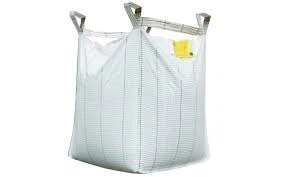
As a supplier of functional bulk bags, I often encounter questions from clients regarding the environmental friendliness of our products. In this blog, I'll delve into whether functional bulk bags meet environmental standards, exploring various aspects from materials to manufacturing processes and end - of - life scenarios.
Understanding Functional Bulk Bags
Functional bulk bags are specialized containers designed to handle a wide range of materials, from food products to industrial chemicals. They come in different types, each with unique features tailored to specific needs. For instance, Food Grade Bulk Bag is designed to safely store and transport food items, ensuring that the contents remain uncontaminated. On the other hand, Anti - static Bulk Bag and Anti - static Bulk Bag are engineered to prevent static electricity build - up, which is crucial when handling flammable or explosive materials.
Materials Used in Functional Bulk Bags
The environmental impact of functional bulk bags largely depends on the materials used in their production. Most functional bulk bags are made from polypropylene, a thermoplastic polymer. Polypropylene has several advantages from an environmental perspective. It is lightweight, which reduces the energy required for transportation compared to heavier alternatives. This means fewer carbon emissions during the shipping process.
Moreover, polypropylene is recyclable. Recycling polypropylene bulk bags can significantly reduce the amount of waste sent to landfills. When recycled, polypropylene can be used to create new products, such as plastic lumber, automotive parts, and even new bulk bags. However, the recycling rate of polypropylene bulk bags can vary depending on local recycling facilities and consumer awareness.
Some manufacturers, including our company, are also exploring the use of biodegradable and compostable materials in the production of functional bulk bags. These materials break down naturally over time, reducing the long - term environmental impact. For example, some biodegradable polymers can degrade within a few months under the right conditions, leaving behind minimal waste.
Manufacturing Processes
The manufacturing process of functional bulk bags also plays a crucial role in determining their environmental friendliness. Modern manufacturing techniques have become more energy - efficient over the years. Many factories now use advanced machinery that consumes less energy while producing high - quality bulk bags.
In addition, some manufacturers are implementing sustainable manufacturing practices, such as using renewable energy sources like solar or wind power in their production facilities. This reduces the carbon footprint associated with the manufacturing process. We, as a responsible supplier, are constantly investing in research and development to improve our manufacturing processes and make them more environmentally friendly.
During the manufacturing process, waste management is also an important consideration. By minimizing waste generation and reusing scrap materials, manufacturers can reduce the overall environmental impact. For example, excess polypropylene scraps can be recycled back into the production process, reducing the need for virgin materials.
End - of - Life Scenarios
When it comes to the end - of - life of functional bulk bags, there are several options available. As mentioned earlier, recycling is a viable option for polypropylene bulk bags. However, to encourage recycling, it is important to educate consumers and businesses about the proper recycling procedures.


Another option is reuse. Functional bulk bags can often be reused multiple times, especially if they are well - maintained. This extends their lifespan and reduces the need for new bag production. For example, a food - grade bulk bag that has been used to transport one type of food product can be thoroughly cleaned and then used to transport another food item.
In cases where recycling or reuse is not possible, proper disposal is crucial. Bulk bags should be disposed of in a way that minimizes their environmental impact. For example, they should not be incinerated in open fires, as this can release harmful pollutants into the air. Instead, they should be sent to appropriate waste management facilities.
Environmental Standards and Certifications
There are several environmental standards and certifications that functional bulk bags can comply with. For example, the ISO 14001 standard is an internationally recognized environmental management system. Manufacturers that comply with ISO 14001 demonstrate their commitment to environmental protection by implementing measures to reduce their environmental impact, such as reducing waste, conserving resources, and minimizing pollution.
In addition, there are specific certifications related to food - grade products. For example, the FDA (Food and Drug Administration) in the United States has strict regulations regarding the materials used in food - grade bulk bags. These regulations ensure that the bags are safe for use in contact with food products and also take into account environmental considerations.
Case Studies
Let's look at some real - world examples of how functional bulk bags can meet environmental standards. A large agricultural company was using traditional paper bags to transport grains. These paper bags were heavy, required a large amount of paper pulp for production, and had a relatively short lifespan. After switching to our food - grade polypropylene bulk bags, they noticed a significant reduction in their transportation costs due to the lightweight nature of the bags. Moreover, they were able to recycle the bulk bags at the end of their use, reducing their waste sent to landfills.
Another example is a chemical company that was using non - anti - static bulk bags for transporting flammable chemicals. This posed a significant safety risk, and the bags were not environmentally friendly either. After switching to our anti - static bulk bags, they not only improved safety but also found that the polypropylene bags were recyclable, reducing their environmental impact.
Challenges and Solutions
Despite the many environmental benefits of functional bulk bags, there are still some challenges. One of the main challenges is the lack of awareness among consumers and businesses about the environmental advantages of using functional bulk bags and the proper recycling procedures. To address this, we are actively involved in educational campaigns. We provide information to our clients about the environmental benefits of our products and how to recycle them properly.
Another challenge is the cost of using more sustainable materials, such as biodegradable polymers. These materials are often more expensive than traditional polypropylene. However, as the demand for sustainable products increases, the cost of these materials is expected to decrease over time. We are also working on finding cost - effective ways to incorporate sustainable materials into our product line.
Conclusion
In conclusion, functional bulk bags can meet environmental standards, but it depends on various factors, including the materials used, manufacturing processes, and end - of - life scenarios. Polypropylene bulk bags have several environmental advantages, such as lightweight, recyclability, and energy - efficient manufacturing. Moreover, the use of biodegradable and compostable materials is an emerging trend that can further reduce the environmental impact.
As a supplier of functional bulk bags, we are committed to providing environmentally friendly products. We are constantly researching and developing new materials and manufacturing processes to improve the environmental performance of our products. We encourage businesses and consumers to choose functional bulk bags as a sustainable packaging solution.
If you are interested in learning more about our functional bulk bags or would like to discuss your specific packaging needs, please feel free to contact us. We are ready to provide you with high - quality, environmentally friendly functional bulk bags and work with you to find the best packaging solutions for your business.
References
- "Plastics Recycling: Challenges and Opportunities" by the American Chemistry Council
- "Sustainable Packaging Solutions for the Food Industry" by the Food Packaging Forum
- "Environmental Impact of Polypropylene: A Review" by the Journal of Environmental Science and Technology