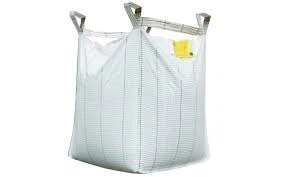
As a supplier of Paper - plastic Composite Printed Bags, I often encounter questions from customers regarding the suitability of our products for different applications. One common query is whether these bags can be used for packaging toys. In this blog post, I will delve into the various aspects of using paper - plastic composite printed bags for toy packaging, exploring their advantages, potential drawbacks, and regulatory considerations.
Advantages of using paper - plastic composite printed bags for toy packaging
Durability
Paper - plastic composite printed bags combine the strength of plastic with the natural feel of paper. The plastic layer provides a barrier against moisture, dust, and physical damage, while the paper layer adds a certain degree of stiffness and protection. This combination makes the bags durable enough to withstand the rigors of handling during transportation and storage. Toys can be quite bulky and may have sharp edges or protrusions. A sturdy bag can prevent the toys from getting damaged, ensuring that they reach the end - users in perfect condition. For example, a set of building blocks or a plastic action figure can be safely packed in a paper - plastic composite printed bag without the risk of the bag tearing easily.
Printability
One of the significant advantages of paper - plastic composite printed bags is their excellent printability. The paper surface allows for high - quality printing of colorful graphics, brand logos, product information, and safety instructions. This is crucial for toy packaging as it helps to attract consumers' attention on the shelves. A well - designed and printed bag can enhance the visual appeal of the toys, making them more marketable. For instance, a bag with vibrant images of popular cartoon characters associated with the toys can significantly increase the product's desirability among children and parents alike. Our Paper - plastic Composite Printed Bag offers a great platform for such eye - catching designs.
Environmental friendliness
Compared to pure plastic bags, paper - plastic composite printed bags are more environmentally friendly. The paper component is biodegradable, which means that it will break down over time in the environment. This is an important consideration, especially in today's world where consumers are becoming more conscious of the environmental impact of the products they purchase. By using paper - plastic composite bags for toy packaging, toy manufacturers can show their commitment to sustainability. Additionally, these bags can often be recycled, further reducing their environmental footprint.
Cost - effectiveness
In terms of cost, paper - plastic composite printed bags can be a cost - effective option for toy packaging. They are generally less expensive than some high - end packaging materials such as rigid plastic containers or metal tins. At the same time, they offer a good balance between quality and price. Toy manufacturers can achieve an attractive and functional packaging solution without breaking the bank. This cost - effectiveness makes them a popular choice for both large - scale toy producers and small - to - medium - sized businesses.
Potential drawbacks
Limited heat resistance
One potential drawback of paper - plastic composite printed bags is their limited heat resistance. If the toys are exposed to high temperatures during transportation or storage, the plastic layer in the bag may start to melt or deform. This can be a problem, especially for toys that are sensitive to heat. For example, some plastic toys may have a low melting point, and if the bag around them melts, it can damage the toys. However, in normal storage and transportation conditions, this is usually not a significant issue.
Recycling challenges
Although paper - plastic composite printed bags are more environmentally friendly than pure plastic bags, they still pose some recycling challenges. The combination of paper and plastic makes it more difficult to separate the two materials during the recycling process. This may limit the recycling options in some areas. However, with the development of new recycling technologies, these challenges are gradually being addressed.
Regulatory considerations
When using paper - plastic composite printed bags for toy packaging, it is essential to comply with relevant regulations. In many countries, there are strict regulations regarding toy packaging, especially in terms of safety and labeling. The bags must be made of non - toxic materials to ensure that they do not pose a health risk to children. Additionally, the printing inks used on the bags should also meet safety standards. For example, they should be free from heavy metals such as lead and mercury.
Furthermore, the bags may need to carry specific safety warnings and instructions. For instance, if the bag has a drawstring that could pose a strangulation hazard to children, there should be a clear warning label. Toy manufacturers and packaging suppliers need to stay updated with the latest regulatory requirements to avoid any legal issues.
Other types of paper - plastic composite bags for toy packaging
In addition to the Paper - plastic Composite Printed Bag, there are other types of paper - plastic composite bags that can be considered for toy packaging.
Paper - plastic Composite M - fold Valve Bag
The Paper - plastic Composite M - fold Valve Bag is a great option for packaging small toys or toy parts. The valve design allows for easy filling and sealing, which can improve the efficiency of the packaging process. These bags are also quite durable and can protect the toys from external elements. For example, small toy cars or puzzle pieces can be neatly packed in these bags.
Paper - plastic Composite Crepe Paper Sewn Bottom Bag
The Paper - plastic Composite Crepe Paper Sewn Bottom Bag offers a unique combination of style and functionality. The crepe paper gives the bag a soft and elegant look, while the sewn bottom provides extra strength. This type of bag is suitable for high - end or delicate toys, such as stuffed animals or collectible figurines.


Conclusion
In conclusion, paper - plastic composite printed bags can be an excellent choice for toy packaging. They offer durability, printability, environmental friendliness, and cost - effectiveness. Although there are some potential drawbacks and regulatory considerations, with proper handling and compliance, these bags can provide a reliable and attractive packaging solution for toys.
If you are a toy manufacturer or a distributor looking for high - quality paper - plastic composite bags for your toy packaging needs, we would be more than happy to discuss your requirements. Our team of experts can help you choose the most suitable bag type and design a customized packaging solution that meets your brand's needs and regulatory standards. Contact us today to start the procurement negotiation process and take your toy packaging to the next level.
References
- "Toy Packaging Regulations in the United States", US Consumer Product Safety Commission
- "Environmental Impact of Packaging Materials", Journal of Environmental Science and Technology
- "Advances in Recycling Technologies for Composite Materials", International Journal of Recycling