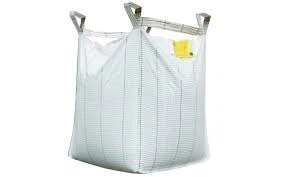
In the dynamic world of packaging, the choice of the right container for various products is crucial, especially when it comes to condiments. As a seasoned supplier of paper - plastic composite packaging bags, I've witnessed firsthand the growing interest in using these bags for condiments. This blog aims to explore the feasibility, advantages, and considerations of using paper - plastic composite packaging bags for condiments.
The Basics of Paper - Plastic Composite Packaging Bags
Paper - plastic composite packaging bags are a blend of paper and plastic materials. The paper layer often provides a natural and eco - friendly look, while the plastic layer offers durability, moisture resistance, and barrier properties. This combination results in a packaging solution that combines the best of both worlds.
There are different types of paper - plastic composite packaging bags available. For instance, the Paper - plastic Composite Flat Valve Bag is designed with a flat valve for easy filling. It is commonly used in industries where efficient filling processes are required. Another option is the Paper - plastic Composite Flat Valve Bag from our specialized factory, which offers high - quality production and customization options. And the Paper - plastic Composite Crepe Paper Sewn Bottom Bag provides a unique aesthetic with its crepe paper design and sewn bottom for added strength.
Advantages of Using Paper - Plastic Composite Packaging Bags for Condiments
1. Barrier Properties
Condiments are often sensitive to factors such as moisture, oxygen, and light. Paper - plastic composite bags can offer excellent barrier protection. The plastic layer acts as a shield against moisture and oxygen, preventing the condiments from spoiling or losing their flavor. For example, in the case of powdered spices, a good barrier can keep them dry and free from clumping, ensuring that they retain their original taste and texture over time.
2. Durability
During transportation and storage, condiment packages need to withstand various stresses. Paper - plastic composite bags are more durable compared to single - material bags. The combination of paper and plastic provides strength and resistance to tearing and puncturing. This means that the condiments are less likely to be damaged during handling, reducing the risk of product loss and waste.
3. Aesthetics and Branding
The paper layer of the composite bag offers a great surface for printing. Condiment manufacturers can use this space to showcase their brand logo, product information, and attractive graphics. The natural look of the paper can also give a premium and eco - friendly impression to consumers, which is increasingly important in today's market. A well - designed package can help a condiment product stand out on the shelves and attract more customers.
4. Customization
As a supplier, we understand that different condiment products have different requirements. Paper - plastic composite bags can be easily customized in terms of size, shape, and features. For example, we can add zippers or resealable closures to the bags, which is very convenient for consumers. We can also adjust the thickness of the paper and plastic layers according to the specific needs of the condiments, such as the weight and sensitivity of the product.
Considerations When Using Paper - Plastic Composite Packaging Bags for Condiments
1. Compatibility with Condiment Ingredients
Not all condiments are the same. Some may contain acidic or oily components that could potentially react with the packaging materials. For example, highly acidic condiments like vinegar - based sauces may require a special type of plastic layer that is resistant to corrosion. It is essential to conduct compatibility tests to ensure that the packaging does not interact with the condiments in a negative way.
2. Regulatory Compliance
The packaging of food products, including condiments, is subject to strict regulations. Paper - plastic composite bags must meet all relevant food safety standards. This includes ensuring that the materials used are non - toxic and do not migrate harmful substances into the condiments. As a supplier, we are committed to meeting these regulatory requirements and can provide the necessary documentation to prove the safety of our packaging bags.
3. Environmental Impact
While paper - plastic composite bags offer some environmental benefits compared to pure plastic bags, they still need to be managed properly at the end of their life cycle. Recycling options for these bags may be limited in some areas. However, we are constantly working on improving the recyclability of our products and exploring more sustainable materials and production methods.


Case Studies
Let's take a look at some real - world examples of using paper - plastic composite packaging bags for condiments. A small - scale spice producer was looking for a packaging solution that could protect their high - quality spices while also reflecting their brand's commitment to sustainability. They chose our Paper - plastic Composite Crepe Paper Sewn Bottom Bag. The natural look of the paper gave their products an artisanal and eco - friendly appeal, and the excellent barrier properties of the bag kept the spices fresh for a long time. As a result, their sales increased significantly, and they received positive feedback from customers.
Another example is a large - scale sauce manufacturer. They needed a durable and customizable packaging solution for their various types of sauces. We provided them with customized Paper - plastic Composite Flat Valve Bags. The flat valve design allowed for efficient filling, and the resealable closures we added made the bags convenient for consumers. The manufacturer was very satisfied with the quality and performance of the bags, and it helped them streamline their production process.
Conclusion
In conclusion, paper - plastic composite packaging bags can be a great choice for condiments. They offer numerous advantages in terms of barrier properties, durability, aesthetics, and customization. However, it is important to consider factors such as compatibility with condiment ingredients, regulatory compliance, and environmental impact. As a reliable supplier of paper - plastic composite packaging bags, we have the expertise and resources to provide high - quality and customized solutions for your condiment packaging needs.
If you are a condiment manufacturer or distributor and are interested in exploring our paper - plastic composite packaging bags, we invite you to contact us for a detailed discussion. We are ready to work with you to find the best packaging solution for your products.
References
- Packaging Technology for Food Products, Second Edition, by Desmond F. Francis
- Food Packaging: Principles and Practice, Third Edition, by Cheryl L. Banville and R. Paul Singh