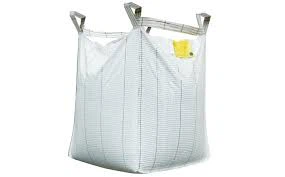
Hey there! As a supplier of Paper - plastic Composite M - fold Valve Bags, I often get asked if these bags can be used for packaging cement. Well, let's dive right into it.
The Basics of Paper - plastic Composite M - fold Valve Bags
First off, let me tell you a bit about these bags. Paper - plastic composite M - fold valve bags are a type of packaging solution that combines the best of both paper and plastic materials. The paper provides a certain degree of breathability and a natural look, while the plastic layer adds strength, moisture resistance, and durability.
The M - fold design is quite unique. It allows the bag to be folded flat when not in use, which is great for storage and transportation. And the valve feature is super handy. It makes filling the bag a breeze. You just connect the filling equipment to the valve, and the cement can flow smoothly into the bag.


Suitability for Cement Packaging
Strength and Durability
Cement is a heavy and abrasive material. When it comes to packaging, strength is crucial. Paper - plastic composite M - fold valve bags are up to the task. The combination of paper and plastic gives them the strength to withstand the weight of the cement. The plastic layer acts as a reinforcement, preventing the bag from tearing or bursting during handling, transportation, and storage.
For example, during loading and unloading, the bags need to be able to handle the rough treatment. Our bags have been tested under various conditions, and they have shown excellent resistance to punctures and abrasions. Whether it's being moved by forklifts or stacked on pallets, these bags hold up well.
Moisture Resistance
Moisture is the enemy of cement. If cement gets wet, it can start to harden prematurely, rendering it useless. Paper - plastic composite M - fold valve bags have a plastic layer that acts as a moisture barrier. This helps to keep the cement dry and in good condition.
Even in humid environments, the plastic layer prevents moisture from seeping into the bag. This is especially important if the cement is going to be stored for an extended period. We've seen cases where cement packaged in our bags has remained in good condition for months, even in less - than - ideal storage conditions.
Filling Efficiency
The valve design of these bags makes the filling process very efficient. The valve allows for a quick and easy connection to the filling equipment. Cement can be filled into the bags at a high rate, which is important for large - scale production.
Compared to other types of bags, the valve design reduces the risk of spillage. When the filling is done, the valve automatically closes, preventing any cement from leaking out. This not only saves the product but also keeps the working environment clean.
Comparing with Other Bag Types
We also offer other types of paper - plastic composite bags, such as Paper - plastic Composite M - fold Open Bag, Paper - plastic Composite Square Bottom Flat Bag, and Lined Paper - plastic Composite Packaging Bag. While these bags have their own advantages, the M - fold valve bag is particularly well - suited for cement packaging.
The open - bag design of the Paper - plastic Composite M - fold Open Bag may be more suitable for some products that require easy access, but it may not be as efficient for filling cement as the valve bag. The square - bottom flat bag is great for stability when stacking, but the valve bag offers better filling and sealing features for cement. And the lined paper - plastic composite bag is more focused on providing an extra layer of protection, but the valve bag's design is specifically optimized for the filling process.
Potential Challenges
Of course, no packaging solution is perfect. One potential challenge with using paper - plastic composite M - fold valve bags for cement is the environmental impact. While the plastic layer provides many benefits, it also means that the bags are not as easily biodegradable as pure paper bags. However, we are constantly working on improving our products to make them more environmentally friendly.
Another challenge could be the cost. Compared to some basic paper bags, paper - plastic composite M - fold valve bags may be a bit more expensive. But when you consider the benefits in terms of strength, moisture resistance, and filling efficiency, the cost is often justified.
Conclusion
In conclusion, Paper - plastic Composite M - fold Valve Bags are a great option for packaging cement. They offer the strength, moisture resistance, and filling efficiency that are essential for this application. While there are some challenges, the benefits far outweigh them.
If you're in the cement industry and looking for a reliable packaging solution, I encourage you to consider our Paper - plastic Composite M - fold Valve Bags. We're here to provide you with high - quality products and excellent service. Feel free to reach out to us for more information and to start a procurement discussion.
References
- Industry reports on cement packaging
- Internal testing data on Paper - plastic Composite M - fold Valve Bags