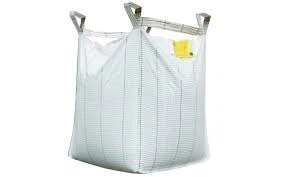
Can food grade bulk bags be used for storing liquids? This is a question that often arises among those involved in the storage and transportation of various substances. As a supplier of Food Grade Bulk Bag, I am frequently asked about the suitability of our bags for liquid storage. In this blog post, I will delve into this topic, exploring the factors that determine whether food grade bulk bags can be used for storing liquids, the potential advantages and limitations, and the considerations for making an informed decision.
Understanding Food Grade Bulk Bags
Food grade bulk bags, also known as flexible intermediate bulk containers (FIBCs), are large, flexible containers designed to store and transport bulk materials. These bags are made from food-grade materials that meet strict safety and quality standards, ensuring that they are suitable for use with food products. Food grade bulk bags are commonly used in the food industry to store and transport a wide range of dry goods, such as grains, powders, and granules.
Can Food Grade Bulk Bags Store Liquids?
The short answer is yes, food grade bulk bags can be used for storing liquids, but there are several important factors to consider. The suitability of a food grade bulk bag for liquid storage depends on the type of liquid, the bag's construction, and the intended storage conditions.
Type of Liquid
Not all liquids are suitable for storage in food grade bulk bags. Some liquids, such as water, juices, and certain oils, can be safely stored in food grade bulk bags. However, other liquids, such as corrosive chemicals, solvents, and high-viscosity liquids, may require special considerations or alternative storage solutions.
Bag Construction
The construction of the food grade bulk bag plays a crucial role in its ability to store liquids. Bags designed for liquid storage typically have a liner or coating that provides a barrier against leakage and contamination. The liner or coating should be made from a material that is compatible with the liquid being stored and meets the required food safety standards.
Storage Conditions
The intended storage conditions, such as temperature, humidity, and exposure to sunlight, can also affect the suitability of a food grade bulk bag for liquid storage. Bags should be stored in a cool, dry place away from direct sunlight and sources of heat. Additionally, the bags should be protected from physical damage and punctures to prevent leakage.
Advantages of Using Food Grade Bulk Bags for Liquid Storage
There are several advantages to using food grade bulk bags for liquid storage:
Cost-Effective
Food grade bulk bags are a cost-effective alternative to traditional liquid storage containers, such as drums and tanks. They require less space for storage and transportation, reducing overall costs.
Versatility
Food grade bulk bags can be used to store a wide range of liquids, including water, juices, oils, and certain chemicals. They can also be customized to meet specific storage requirements, such as size, shape, and liner material.
Hygiene
Food grade bulk bags are designed to meet strict food safety standards, ensuring that the stored liquids remain hygienic and free from contamination. The bags can be easily cleaned and sanitized between uses, reducing the risk of cross-contamination.
Ease of Handling
Food grade bulk bags are lightweight and easy to handle, making them ideal for use in a variety of industries. They can be filled and emptied using standard equipment, such as forklifts and conveyor belts, reducing labor costs and improving efficiency.
Limitations of Using Food Grade Bulk Bags for Liquid Storage
While food grade bulk bags offer many advantages for liquid storage, there are also some limitations to consider:
Leakage Risk
Despite the use of liners and coatings, there is still a risk of leakage when storing liquids in food grade bulk bags. This risk can be minimized by choosing a high-quality bag and ensuring proper installation and handling.
Limited Capacity
Food grade bulk bags typically have a limited capacity compared to traditional liquid storage containers, such as drums and tanks. This may be a limitation for applications that require large volumes of liquid storage.
Shelf Life
The shelf life of liquids stored in food grade bulk bags may be limited compared to other storage methods. Factors such as temperature, humidity, and exposure to sunlight can affect the quality and stability of the stored liquids over time.
Considerations for Using Food Grade Bulk Bags for Liquid Storage
Before using food grade bulk bags for liquid storage, it is important to consider the following factors:
Compatibility
Ensure that the bag's liner or coating is compatible with the liquid being stored. Consult with the bag manufacturer or a chemical compatibility chart to determine the appropriate liner material.
Quality and Certification
Choose a high-quality food grade bulk bag that meets the required safety and quality standards. Look for bags that are certified by recognized organizations, such as the Food and Drug Administration (FDA) or the European Food Safety Authority (EFSA).
Installation and Handling
Proper installation and handling are essential to prevent leakage and ensure the safe storage of liquids. Follow the manufacturer's instructions for filling, emptying, and storing the bags, and use appropriate equipment and techniques.
Monitoring and Maintenance
Regular monitoring and maintenance of the stored liquids and the bags are necessary to ensure their quality and safety. Check for signs of leakage, damage, or contamination, and replace the bags as needed.


Other Functional Bulk Bags
In addition to food grade bulk bags, we also offer Anti-static Bulk Bag and Conductive Bulk Bag. Anti-static bulk bags are designed to prevent the buildup of static electricity, which can be a safety hazard when handling flammable or explosive materials. Conductive bulk bags, on the other hand, are used to dissipate static electricity and prevent electrostatic discharge (ESD). These functional bulk bags are suitable for a variety of industries, including electronics, chemicals, and pharmaceuticals
Conclusion
In conclusion, food grade bulk bags can be used for storing liquids, but it is important to carefully consider the type of liquid, the bag's construction, and the intended storage conditions. While there are some limitations to using food grade bulk bags for liquid storage, they offer many advantages, including cost-effectiveness, versatility, hygiene, and ease of handling. By choosing a high-quality bag, ensuring proper installation and handling, and monitoring and maintaining the stored liquids, you can safely and effectively use food grade bulk bags for liquid storage.
If you are interested in learning more about our Food Grade Bulk Bag or other functional bulk bags, or if you have any questions or need assistance with your liquid storage needs, please feel free to contact us. We are committed to providing our customers with high-quality products and excellent customer service.
References
- "Flexible Intermediate Bulk Containers (FIBCs) - A Guide to Selection, Use and Safety." International Organization for Standardization (ISO).
- "Food Grade Packaging Materials: Regulations and Standards." Food and Drug Administration (FDA).
- "Best Practices for Storing Liquids in Bulk Bags." Bulk Packaging Association.