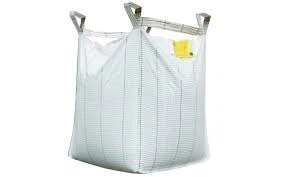
Can conductive bulk bags be used for storing polymers? This is a question that often arises in the industrial and manufacturing sectors, especially among those dealing with polymers on a large scale. As a supplier of Conductive Bulk Bag, I'm well - versed in the capabilities and limitations of these specialized containers, and I'm here to shed some light on this topic.
Understanding Conductive Bulk Bags
Conductive bulk bags, also known as FIBCs (Flexible Intermediate Bulk Containers), are designed with a unique property - conductivity. Unlike regular bulk bags, they are made with materials that can conduct electricity. This feature is crucial in environments where static electricity can pose a significant risk. Static electricity can build up during the filling, transporting, and discharging of bulk materials. In some cases, it can lead to sparks, which may cause fires or explosions, especially when dealing with flammable or combustible substances.
The conductivity of these bags is achieved through various methods. One common approach is to incorporate conductive fibers or additives into the fabric of the bag. These conductive elements create a path for the static charge to dissipate safely to the ground, preventing the accumulation of potentially dangerous static electricity.
Polymers: A Diverse Group of Materials
Polymers are a vast and diverse group of materials that have a wide range of applications. They can be found in everything from everyday consumer products like plastic bottles and packaging to high - tech industrial components. Polymers can be classified into different types, such as thermoplastics, thermosets, and elastomers, each with its own unique properties and characteristics.
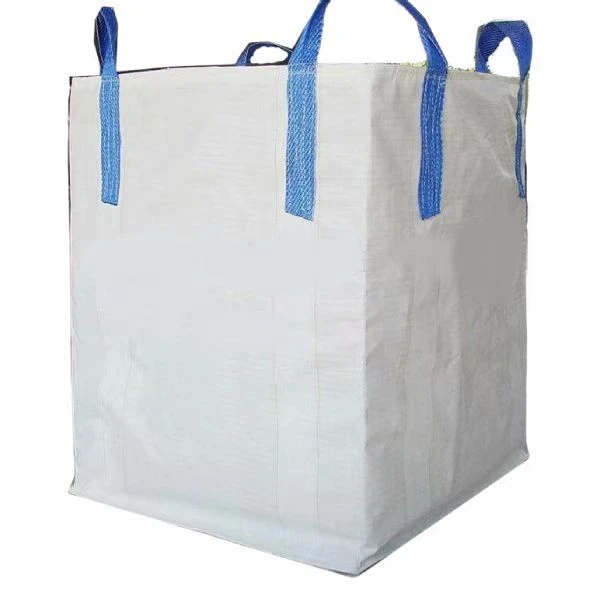

Thermoplastics, for example, can be melted and reshaped multiple times, making them highly versatile for manufacturing processes. Thermosets, on the other hand, harden permanently when heated and cannot be remelted. Elastomers are known for their elastic properties, similar to rubber.
When it comes to storing polymers, several factors need to be considered. These include the physical and chemical properties of the polymer, such as its melting point, reactivity, and susceptibility to environmental factors like moisture and oxygen.
Using Conductive Bulk Bags for Polymer Storage
Now, let's address the main question: Can conductive bulk bags be used for storing polymers? The answer is yes, in many cases, conductive bulk bags are an excellent choice for polymer storage, and here's why.
Static Electricity Management
As mentioned earlier, static electricity can be a significant issue during the handling of bulk materials, including polymers. Some polymers, especially those with low conductivity themselves, can easily generate static charges during filling and discharging operations. This static charge can cause the polymer particles to stick together, leading to bridging and blockages in the bag or handling equipment. It can also attract dust and other contaminants, which may affect the quality of the polymer.
Conductive bulk bags help to eliminate these problems by safely dissipating the static charge. This ensures a smooth flow of the polymer during filling and discharging, reducing the risk of blockages and improving the overall efficiency of the storage and handling process.
Protection from Contamination
Polymers are often sensitive to contamination. Even small amounts of foreign particles or substances can affect the properties and performance of the polymer. Conductive bulk bags can provide an additional layer of protection against contamination. The fabric of the bag acts as a barrier, preventing dust, dirt, and other contaminants from entering the bag and coming into contact with the polymer.
Moreover, some conductive bulk bags are designed with additional features such as liners. Liners can be made from materials that are chemically resistant to the polymer being stored, further protecting the polymer from any potential chemical reactions or contamination.
Durability and Strength
Conductive bulk bags are typically made from high - quality, durable materials. They are designed to withstand the rigors of storage, transportation, and handling. This durability is essential when storing polymers, as polymers are often stored in large quantities and may need to be moved multiple times.
The strength of the bag ensures that it can hold the weight of the polymer without tearing or breaking. This reduces the risk of spills and losses, which can be costly both in terms of the material itself and the cleanup efforts.
Special Considerations
While conductive bulk bags are generally suitable for polymer storage, there are some special considerations that need to be taken into account.
Chemical Compatibility
It's crucial to ensure that the material of the conductive bulk bag is chemically compatible with the polymer being stored. Some polymers may react with certain chemicals or materials used in the bag's construction. For example, some polymers may be sensitive to solvents or additives present in the bag's fabric or liner. Before using a conductive bulk bag for polymer storage, it's advisable to conduct compatibility tests to ensure that there will be no adverse chemical reactions.
Temperature and Environmental Conditions
Polymers have different temperature requirements for storage. Some polymers need to be stored at specific temperatures to maintain their properties. Conductive bulk bags can be used in a wide range of temperature conditions, but it's important to consider the temperature limits of the bag's material. Extreme temperatures can affect the integrity of the bag, leading to potential failures or reduced performance.
Similarly, environmental conditions such as humidity and exposure to sunlight can also impact the polymer and the bag. Some polymers may absorb moisture, which can affect their properties, while sunlight can cause degradation of the bag's fabric over time.
Other Bulk Bag Options for Polymers
In addition to conductive bulk bags, Food Grade Bulk Bag can also be considered for polymer storage, especially if the polymer is intended for food - related applications. Food grade bulk bags are made from materials that meet strict food safety standards, ensuring that the polymer remains uncontaminated and suitable for use in food products.
Conclusion
In conclusion, conductive bulk bags are a valuable option for polymer storage. They offer effective static electricity management, protection against contamination, and durability. However, it's important to carefully consider the specific requirements of the polymer, such as chemical compatibility and environmental conditions, to ensure that the conductive bulk bag is the right choice.
If you're in the market for high - quality Conductive Bulk Bag for polymer storage or any other application, I encourage you to reach out. We have a wide range of conductive bulk bags to meet your specific needs, and our team of experts can provide you with the guidance and support you need to make the right choice. Contact us today to start a discussion about your bulk bag requirements.
References
- "Handbook of Polymer Science and Technology" by James E. Mark
- "Flexible Intermediate Bulk Containers: Design, Testing, and Applications" by various authors
- Industry reports on polymer storage and handling best practices