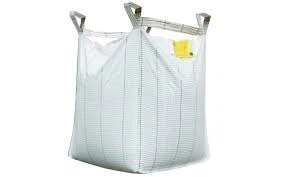
As a supplier of Top Lift Bulk Bags, one of the most common questions I encounter from potential customers is whether these bags are available in different thicknesses. The answer is a resounding yes, and in this blog post, I'll delve into the reasons behind the varying thicknesses, the benefits of each, and how to choose the right one for your specific needs.
Understanding the Importance of Thickness in Top Lift Bulk Bags
Top Lift Bulk Bags, also known as FIBCs (Flexible Intermediate Bulk Containers), are used to transport and store a wide range of dry, flowable products such as grains, chemicals, and minerals. The thickness of these bags plays a crucial role in determining their strength, durability, and overall performance. A thicker bag can withstand more stress and pressure, making it suitable for heavier loads and more demanding applications. On the other hand, a thinner bag may be more cost-effective and suitable for lighter loads or short-term storage.
Different Thicknesses Available
At our company, we offer Top Lift Bulk Bags in a variety of thicknesses to meet the diverse needs of our customers. The thickness of these bags is typically measured in grams per square meter (gsm), which indicates the weight of the fabric used to make the bag. Here are some of the common thicknesses available and their typical applications:


- Lightweight (80 - 120 gsm): These bags are ideal for storing and transporting lightweight products such as powders, flakes, and granules. They are also suitable for short-term storage and handling in less demanding environments. The lightweight construction makes them easy to handle and reduces the overall cost of transportation.
- Mediumweight (120 - 180 gsm): This is the most commonly used thickness for Top Lift Bulk Bags. It offers a good balance between strength and cost, making it suitable for a wide range of applications. Mediumweight bags can handle moderate loads and are often used in industries such as agriculture, food processing, and chemicals.
- Heavyweight (180 - 250 gsm): These bags are designed for heavy-duty applications where maximum strength and durability are required. They can withstand high loads, rough handling, and harsh environmental conditions. Heavyweight bags are commonly used in industries such as mining, construction, and petrochemicals.
- Extra Heavyweight (250+ gsm): For extremely heavy loads and the most demanding applications, we offer extra heavyweight Top Lift Bulk Bags. These bags are made from thick, high-strength fabrics and are reinforced with additional layers or stitching for added strength. They are suitable for transporting and storing large quantities of dense materials such as metals, ores, and aggregates.
Benefits of Different Thicknesses
Each thickness of Top Lift Bulk Bags offers unique benefits depending on the specific application. Here are some of the advantages of choosing the right thickness for your needs:
- Cost Savings: By choosing the appropriate thickness for your load, you can avoid overpaying for a thicker bag than you actually need. This can result in significant cost savings, especially if you are using a large number of bags.
- Improved Performance: A bag with the right thickness will provide the necessary strength and durability to protect your product during transportation and storage. This can help prevent damage, spillage, and contamination, ensuring the quality of your product remains intact.
- Enhanced Safety: Using a bag that is too thin for the load can pose a safety risk, as it may tear or break under stress. By choosing a bag with the appropriate thickness, you can ensure the safety of your workers and the integrity of your product.
- Customization: Different thicknesses allow for greater customization of your Top Lift Bulk Bags. You can choose the thickness that best suits your specific requirements, such as the type of product, the weight of the load, and the handling conditions.
How to Choose the Right Thickness
Choosing the right thickness for your Top Lift Bulk Bags depends on several factors, including the type of product you are transporting, the weight of the load, the handling conditions, and your budget. Here are some guidelines to help you make the right decision:
- Consider the Product: The type of product you are transporting will determine the level of protection required. For example, if you are transporting a fragile or sensitive product, you may need a thicker bag to prevent damage. On the other hand, if you are transporting a non-abrasive and lightweight product, a thinner bag may be sufficient.
- Determine the Load Weight: The weight of the load is one of the most important factors to consider when choosing the thickness of your bag. As a general rule, the heavier the load, the thicker the bag you will need. You can use the weight capacity guidelines provided by the bag manufacturer to determine the appropriate thickness for your load.
- Evaluate the Handling Conditions: The handling conditions, such as the method of loading and unloading, the type of equipment used, and the storage environment, can also affect the choice of bag thickness. If the bags will be subjected to rough handling or harsh environmental conditions, a thicker bag may be necessary to ensure their durability.
- Consider Your Budget: While it is important to choose a bag with the appropriate thickness for your needs, you also need to consider your budget. Thicker bags are generally more expensive than thinner bags, so you need to find a balance between cost and performance.
Conclusion
In conclusion, Top Lift Bulk Bags are available in different thicknesses to meet the diverse needs of our customers. By understanding the importance of thickness, the benefits of each thickness, and how to choose the right one for your specific needs, you can ensure that you are using the most suitable bag for your application. Whether you need a lightweight bag for short-term storage or a heavyweight bag for heavy-duty transportation, we have the right solution for you.
If you are interested in learning more about our Top Lift Bulk Bags or have any questions about choosing the right thickness for your needs, please contact us. Our team of experts will be happy to assist you and provide you with a customized solution that meets your requirements.
References
- "Flexible Intermediate Bulk Containers (FIBCs): A Guide to Selection and Use." International Safety Equipment Association, 2019.
- "Top Lift Bulk Bag," /bulk-bag/bulk-bags-for-process-handling/top-lift-bulk-bag.html
- "Bottom Lift Bulk Bag," /bulk-bag/bulk-bags-for-process-handling/bottom-lift-bulk-bag.html