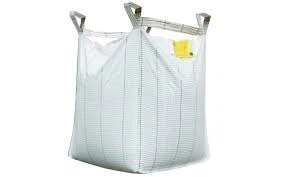
Hey there! As a supplier of Paper - plastic Composite Flat Open Bags, I often get asked about the safety issues related to these nifty little bags. So, I thought I'd take a deep dive into this topic and share some insights with you all.
First off, let's talk about what Paper - plastic Composite Flat Open Bags are. They're a type of packaging that combines the best of both paper and plastic. The paper part gives them a natural and eco - friendly look, while the plastic layer adds strength, durability, and moisture resistance. These bags are super versatile and can be used for all sorts of things, from packing food items to storing small industrial parts.
Now, let's get to the big question: Are there any safety issues? Well, the short answer is that when produced and used correctly, these bags are generally safe. But like any product, there are a few things to keep in mind.
Material Safety
The materials used in Paper - plastic Composite Flat Open Bags are usually carefully selected. The paper is often made from natural fibers, which are biodegradable and non - toxic. The plastic layer, on the other hand, is typically made from polymers like polyethylene or polypropylene. These plastics are widely used in the packaging industry and are considered safe for contact with many types of products.
However, it's crucial to ensure that the plastic used is of high quality. Low - grade plastics may contain harmful additives or contaminants. For example, some cheap plastics might have excessive amounts of heavy metals like lead or cadmium, which can leach into the contents of the bag over time. As a responsible supplier, we always source our materials from reliable manufacturers and conduct regular quality checks to make sure our bags meet all the necessary safety standards.
Chemical Residues
During the manufacturing process of Paper - plastic Composite Flat Open Bags, various chemicals are used. Adhesives are used to bond the paper and plastic layers together, and inks are used for printing. These chemicals can potentially pose a safety risk if they're not properly managed.
For adhesives, we use food - grade or low - toxicity options. This ensures that even if the bag is used to pack food items, there's no risk of harmful substances seeping into the food. When it comes to printing inks, we opt for water - based or UV - cured inks. Water - based inks are less likely to contain volatile organic compounds (VOCs), which can be harmful to human health and the environment. UV - cured inks dry quickly and have a lower risk of chemical migration.
Microbiological Safety
If Paper - plastic Composite Flat Open Bags are used to pack food or other sensitive products, microbiological safety is a major concern. The bags need to be clean and free from bacteria, fungi, and other microorganisms.
We have strict hygiene protocols in our manufacturing facilities. The production environment is kept clean and sanitized, and the bags are packaged in a way that minimizes the risk of contamination. Additionally, the plastic layer in the composite bags acts as a barrier, preventing the entry of external contaminants.
Physical Safety
From a physical perspective, Paper - plastic Composite Flat Open Bags are designed to be safe. They have a flat open design, which makes them easy to use and reduces the risk of accidental tearing or breakage. The edges of the bags are usually smooth, so there's no risk of cuts or abrasions when handling them.
However, it's important to note that if the bags are overloaded or misused, they can fail. For example, if you try to put a very heavy or sharp object in a bag that's not designed to handle it, the bag might tear or the plastic layer might puncture. So, it's always a good idea to follow the recommended weight and usage guidelines.
Environmental Impact
While we're talking about safety, we can't forget about the environmental aspect. Paper - plastic Composite Flat Open Bags are a more sustainable option compared to some other types of packaging. The paper part is biodegradable, which means it will break down naturally over time. The plastic layer, although not as easily biodegradable, can often be recycled.
We're committed to reducing the environmental impact of our products. We're constantly looking for ways to improve the recyclability of our bags and to use more sustainable materials. For example, we're exploring the use of bio - based plastics, which are made from renewable resources.
Comparing with Other Similar Bags
Let's compare Paper - plastic Composite Flat Open Bags with some other related products. There are Paper - plastic Composite Printed Bag and Paper - plastic Composite M - fold Open Bag.


The printed bags offer the advantage of branding and product information display. But the printing process needs to be carefully controlled to ensure safety. Our printed bags use safe inks, as mentioned earlier, so there's no compromise on safety.
The M - fold open bags have a different shape, which can be more suitable for certain types of products. They offer better stability and can hold items more securely. However, the folding process in their manufacturing also needs to be monitored to ensure that the integrity of the bag is maintained.
In conclusion, Paper - plastic Composite Flat Open Bags are a safe and versatile packaging option when produced and used correctly. As a supplier, we take every possible measure to ensure the safety and quality of our products. We're committed to providing our customers with bags that not only meet their packaging needs but also adhere to the highest safety standards.
If you're in the market for high - quality Paper - plastic Composite Flat Open Bags, or if you have any questions about our products, feel free to reach out. We're always happy to have a chat and discuss your specific requirements. You can check out our Paper - plastic Composite Flat Open Bag product page for more details. Let's work together to find the perfect packaging solution for your business!
References
- Packaging Industry Standards and Guidelines
- Research on Plastic and Paper Materials Safety
- Environmental Impact Studies on Packaging Materials