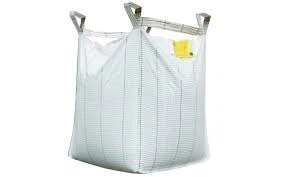
As a supplier of Paper-plastic Composite Flat Valve Bags, I often get asked whether these bags are suitable for pharmaceutical products. This is a crucial question, considering the strict regulations and high standards in the pharmaceutical industry. In this blog, I'll delve into the characteristics of Paper-plastic Composite Flat Valve Bags and evaluate their suitability for pharmaceutical products.
Understanding Paper-plastic Composite Flat Valve Bags
Paper-plastic composite flat valve bags are a type of packaging solution that combines the benefits of paper and plastic materials. The paper layer provides strength, printability, and a natural look, while the plastic layer offers excellent barrier properties against moisture, oxygen, and other contaminants. The flat valve design allows for easy filling and efficient dispensing of the product.
One of the key advantages of these bags is their versatility. They can be used for a wide range of products, including powders, granules, and other dry materials. The valve design ensures that the product is securely sealed inside the bag, preventing leakage and contamination during storage and transportation.
In addition to their functional benefits, Paper-plastic Composite Flat Valve Bags are also environmentally friendly. They are made from recyclable materials, which helps to reduce the environmental impact of packaging waste. This is an important consideration for many pharmaceutical companies, as they strive to meet sustainability goals.
Requirements for Pharmaceutical Packaging
The pharmaceutical industry has strict requirements for packaging materials. These requirements are designed to ensure the safety, quality, and efficacy of the pharmaceutical products. Some of the key requirements include:
- Barrier Properties: Pharmaceutical products are sensitive to moisture, oxygen, light, and other environmental factors. Packaging materials must provide an effective barrier against these elements to prevent degradation of the product.
- Chemical Compatibility: The packaging material must be chemically compatible with the pharmaceutical product to prevent any chemical reactions that could affect the quality and safety of the product.
- Sterility: Many pharmaceutical products require sterile packaging to prevent contamination by microorganisms. Packaging materials must be able to maintain the sterility of the product throughout its shelf life.
- Labeling and Traceability: Pharmaceutical packaging must include accurate labeling information, such as the product name, dosage, expiration date, and storage instructions. It must also be possible to trace the product back to its source in case of a quality issue or recall.
Evaluating the Suitability of Paper-plastic Composite Flat Valve Bags for Pharmaceutical Products
Now, let's evaluate the suitability of Paper-plastic Composite Flat Valve Bags for pharmaceutical products based on the requirements mentioned above.
Barrier Properties
Paper-plastic composite flat valve bags can provide excellent barrier properties against moisture, oxygen, and light. The plastic layer in the bag acts as a barrier, preventing the entry of these elements into the bag. This helps to protect the pharmaceutical product from degradation and extends its shelf life.
However, the barrier properties of the bag can vary depending on the type of plastic used and the thickness of the plastic layer. It is important to choose a bag with the appropriate barrier properties for the specific pharmaceutical product. For example, products that are highly sensitive to moisture may require a bag with a thicker plastic layer or a different type of plastic with better moisture barrier properties.
Chemical Compatibility
The chemical compatibility of the packaging material with the pharmaceutical product is a critical factor. Paper-plastic composite flat valve bags are generally chemically compatible with a wide range of pharmaceutical products. However, it is important to conduct compatibility testing to ensure that there are no chemical reactions between the packaging material and the product.
Compatibility testing involves exposing the packaging material to the pharmaceutical product under various conditions, such as different temperatures and humidity levels. The results of the testing can help to determine whether the packaging material is suitable for the product.
Sterility
Maintaining the sterility of pharmaceutical products is essential to prevent contamination by microorganisms. Paper-plastic composite flat valve bags can be sterilized using various methods, such as gamma irradiation or ethylene oxide gas sterilization. However, it is important to ensure that the sterilization process does not affect the integrity of the bag or the quality of the product.
In addition to sterilization, the bag must also be designed to prevent the entry of microorganisms during storage and transportation. The valve design of the Paper-plastic Composite Flat Valve Bag helps to ensure a secure seal, which reduces the risk of contamination.
Labeling and Traceability
Paper-plastic composite flat valve bags can be easily printed with accurate labeling information. The paper layer of the bag provides a smooth surface for printing, allowing for clear and legible labeling. In addition, the bag can be equipped with features such as barcodes or RFID tags to enable traceability of the product.
Other Considerations
In addition to the technical requirements, there are also other considerations when choosing packaging for pharmaceutical products. These include:
- Cost: The cost of packaging materials is an important factor for pharmaceutical companies. Paper-plastic Composite Flat Valve Bags are generally more cost-effective than some other types of packaging materials, such as glass or metal containers.
- Ease of Use: The packaging material must be easy to use for both the pharmaceutical manufacturer and the end user. Paper-plastic Composite Flat Valve Bags are easy to fill, seal, and open, which makes them a convenient choice for pharmaceutical packaging.
- Customization: Pharmaceutical companies often require customized packaging solutions to meet their specific needs. Paper-plastic Composite Flat Valve Bags can be customized in terms of size, shape, printing, and other features to meet the requirements of the pharmaceutical product.
Conclusion
In conclusion, Paper-plastic Composite Flat Valve Bags have the potential to be suitable for pharmaceutical products. They offer excellent barrier properties, chemical compatibility, and can be sterilized to maintain the sterility of the product. In addition, they are environmentally friendly, cost-effective, and easy to use.
However, it is important to conduct thorough testing and evaluation to ensure that the Paper-plastic Composite Flat Valve Bags meet the specific requirements of the pharmaceutical product. This includes testing for barrier properties, chemical compatibility, sterility, and other factors.


If you are a pharmaceutical company looking for a reliable and cost-effective packaging solution, I encourage you to consider Paper-plastic Composite Flat Valve Bags. You can learn more about our Paper-plastic Composite Flat Valve Bags on our website. We also offer other types of paper-plastic composite bags, such as Paper-plastic Composite Square Bottom M-fold Bag and Paper-plastic Composite Tear-open Bag.
If you have any questions or would like to discuss your packaging needs, please feel free to contact us. We are committed to providing high-quality packaging solutions and excellent customer service.
References
- Pharmaceutical Packaging Handbook, Second Edition, edited by David S. Thompson
- Packaging for Pharmaceuticals: A Practical Guide, by John W. Harman