Are multi - layer kraft paper printed bags waterproof?
As a supplier of Multi - layer Kraft Paper Printed Bags, I often get asked the question: "Are multi - layer kraft paper printed bags waterproof?" This is a crucial inquiry, especially for customers who need to package products that are sensitive to moisture or for those who plan to use the bags in outdoor or humid environments. In this blog post, I'll delve into the science behind the waterproofing capabilities of multi - layer kraft paper printed bags, explore different factors that affect their water resistance, and showcase our product range for your consideration.
The Basics of Multi - layer Kraft Paper
Kraft paper is well - known for its strength and durability. It is made from wood pulp that has been processed using the kraft process, which involves cooking the wood chips in a solution of sodium hydroxide and sodium sulfide. This process results in strong fibers that give kraft paper its characteristic toughness.
Multi - layer kraft paper printed bags are constructed by combining multiple layers of kraft paper. The additional layers not only enhance the bag's strength but also can contribute to its water - resistance to some extent. However, it's important to understand that natural kraft paper is not inherently waterproof. Kraft paper fibers are porous, which means they can absorb water. This porosity allows the paper to breathe, but it also makes it vulnerable to moisture.
Factors Affecting the Waterproofing of Multi - layer Kraft Paper Printed Bags
- Coatings
- Many multi - layer kraft paper printed bags are treated with coatings to improve their water resistance. There are different types of coatings available, such as polyethylene (PE) coatings. A PE - coated multi - layer kraft paper bag forms a barrier between the paper and the water. The polyethylene acts as a waterproof layer, preventing water from seeping into the paper fibers.
- Another type of coating is wax. Wax coatings can also provide water resistance. They work by filling the pores in the kraft paper, reducing the paper's ability to absorb water. However, wax coatings may have limitations in terms of durability, especially in high - temperature environments where the wax can melt.
- Number of Layers
- Generally, the more layers a multi - layer kraft paper printed bag has, the better its water - resistance potential. Each additional layer adds an extra barrier to water penetration. For example, a three - layer kraft paper bag will have more resistance to water than a single - layer bag. However, it's not just about the quantity; the quality of the layers also matters. If the layers are poorly bonded or if there are gaps between them, water can still find its way through.
- Printing Process
- The printing process can also affect the bag's water resistance. Some printing inks may contain solvents that can break down the paper's natural structure or interfere with any existing waterproof coatings. However, modern printing techniques and inks are designed to minimize these negative effects. For example, water - based inks are often used as they are more environmentally friendly and less likely to damage the paper's water - resistant properties.
Our Product Range and Waterproofing Features
We offer a variety of multi - layer kraft paper printed bags, each with different levels of water resistance to meet various customer needs.
- Multi - layer Kraft Paper Flat Valve Bag: These bags are commonly used for packaging dry powders and granular products. They can be coated with a PE layer to make them highly water - resistant. The flat valve design ensures easy filling and a tight seal, further protecting the contents from moisture.
- Multi - layer Kraft Paper Square Bottom Flat Bag: This type of bag is popular for its stability and large surface area for printing. We can customize the bag with different coatings, such as wax or PE, depending on the required level of water resistance. The square bottom design also provides better stacking and storage capabilities, which is important when protecting products from water damage during transportation and storage.
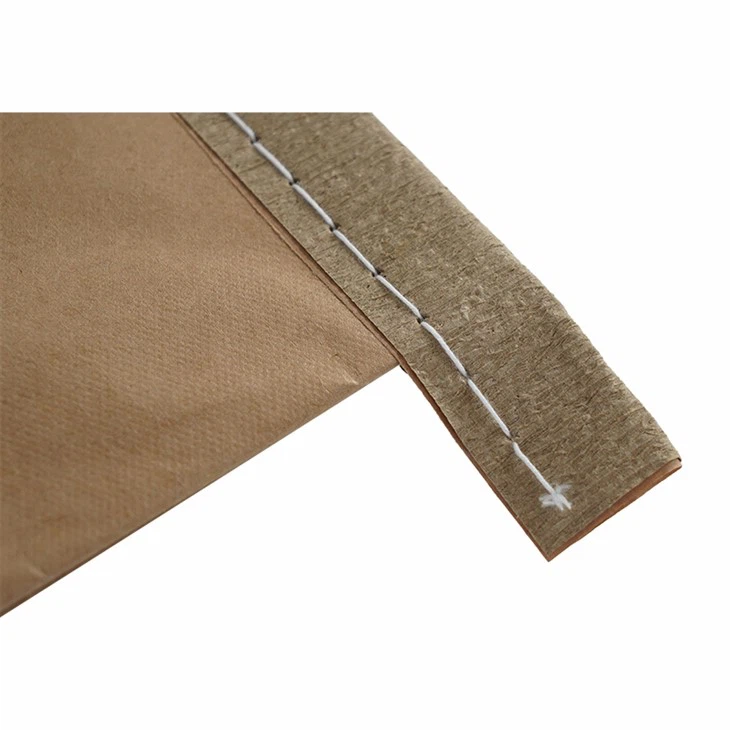
- Multi - layer Kraft Paper Crepe Paper Sewn Bottom Bag: These bags have a unique crepe paper layer that adds an extra element of strength and can also contribute to water resistance. The sewn bottom provides a secure closure, and we can apply appropriate coatings to make the bag suitable for use in moist conditions.
Practical Applications and Limitations
Multi - layer kraft paper printed bags with proper waterproofing can be used in a wide range of applications. They are ideal for packaging food products such as coffee beans, tea, and dry snacks, where moisture can affect the quality and shelf - life of the product. They are also used in the agricultural industry for packaging fertilizers and seeds, protecting them from rain and humidity during storage and transportation.

However, it's important to note that even the most waterproof multi - layer kraft paper printed bags have limitations. They are not suitable for long - term submersion in water. If the bag is exposed to water for an extended period, the waterproof coating may start to degrade, and water can eventually penetrate the bag. Also, extreme temperatures can affect the performance of the waterproof coatings. High temperatures can cause wax coatings to melt, while low temperatures can make the coatings brittle and more prone to cracking.
Conclusion
In conclusion, multi - layer kraft paper printed bags can be made waterproof or at least highly water - resistant through the use of coatings, appropriate layer construction, and careful printing processes. As a supplier, we understand the importance of providing bags that meet our customers' specific needs. Whether you need a bag for dry products that require protection from occasional moisture or for products that need more robust waterproofing, we have the solutions.
If you are interested in our multi - layer kraft paper printed bags and would like to discuss your packaging requirements, please feel free to reach out to us. We are ready to assist you in finding the perfect bag for your products.
References
- "The Chemistry of Paper and Pulp", Smith, J., 2018.
- "Packaging Materials and Their Properties", Thompson, R., 2020.