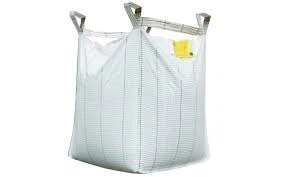
As a supplier of Bottom Lift Bulk Bags, I often get asked whether these bags are suitable for granular materials. In this blog post, I'll delve into the details of Bottom Lift Bulk Bags and explore their compatibility with granular substances.
Understanding Bottom Lift Bulk Bags
Bottom Lift Bulk Bags, also known as FIBCs (Flexible Intermediate Bulk Containers), are large, flexible containers designed for the storage and transportation of various dry bulk materials. They are typically made from woven polypropylene, a durable and cost - effective material that offers excellent strength and resistance to environmental factors.
The distinguishing feature of Bottom Lift Bulk Bags is their lifting mechanism. Unlike Top Lift Bulk Bag, which are lifted from the top using loops or straps attached to the upper part of the bag, Bottom Lift Bulk Bags are designed to be lifted from the bottom. This design allows for more stable and controlled handling, especially when dealing with heavy loads.
Advantages of Using Bottom Lift Bulk Bags for Granular Materials
1. Efficient Discharge
Granular materials, such as grains, sand, and plastic pellets, need to be discharged quickly and completely. Bottom Lift Bulk Bags are equipped with a bottom discharge spout, which allows for a smooth and efficient discharge process. The gravity - assisted discharge ensures that the granular materials flow out of the bag without clogging, reducing the time and effort required for unloading.
2. Reduced Product Loss
The bottom discharge design of these bags minimizes the risk of product loss during the unloading process. Since the granular materials are discharged directly from the bottom, there is less chance of spillage compared to other types of bulk bags. This is particularly important for expensive or hazardous granular materials, as it helps to reduce waste and ensure environmental safety.
3. Stability during Handling
Granular materials can be heavy and may shift during transportation and handling. Bottom Lift Bulk Bags provide better stability compared to other types of bulk bags because they are lifted from the bottom. This reduces the risk of the bag tipping over or shifting during movement, ensuring the safety of the materials and the operators.
4. Customizable Design
As a supplier, I can offer Bottom Lift Bulk Bags with customizable features to meet the specific needs of granular material handling. For example, the bag can be designed with anti - static properties to prevent the build - up of static electricity, which is a common issue when handling granular plastics. Additionally, the bag can be made with different sizes and capacities to accommodate various volumes of granular materials.


Considerations when Using Bottom Lift Bulk Bags for Granular Materials
1. Particle Size and Shape
The particle size and shape of the granular materials can affect the performance of Bottom Lift Bulk Bags. If the particles are too large or irregularly shaped, they may cause blockages in the discharge spout. In such cases, it may be necessary to choose a bag with a larger spout diameter or a different discharge mechanism.
2. Abrasion Resistance
Granular materials can be abrasive, especially those with sharp edges. The inner lining of the Bottom Lift Bulk Bag should be made of a material that can withstand abrasion to prevent damage to the bag and ensure its longevity. Some bags are available with an abrasion - resistant lining, which can significantly extend the lifespan of the bag when used with abrasive granular materials.
3. Moisture and Contamination
Moisture can cause granular materials to clump together, making them difficult to discharge. Bottom Lift Bulk Bags should be designed to be moisture - resistant to prevent this issue. Additionally, the bags should be able to prevent contamination from external sources, such as dust and dirt, to maintain the quality of the granular materials.
Case Studies: Success Stories of Using Bottom Lift Bulk Bags for Granular Materials
Case Study 1: A Grain Processing Company
A grain processing company was facing challenges with the handling and transportation of their wheat and corn grains. They were using traditional top - lift bulk bags, which were prone to spillage and difficult to unload. After switching to Bottom Lift Bulk Bags, they noticed a significant improvement in the efficiency of their operations. The bottom discharge spout allowed for a quick and clean unloading of the grains, reducing the time and labor required for the process.
Case Study 2: A Plastic Pellet Manufacturer
A plastic pellet manufacturer was dealing with static electricity issues when using bulk bags for their plastic pellets. The static electricity caused the pellets to stick to the bag, making it difficult to discharge them completely. By using Bottom Lift Bulk Bags with anti - static properties, the manufacturer was able to eliminate the static problem and ensure a smooth discharge of the plastic pellets.
Conclusion
In conclusion, Bottom Lift Bulk Bags are highly suitable for granular materials. Their efficient discharge mechanism, reduced product loss, stability during handling, and customizable design make them an ideal choice for storing and transporting various granular substances. However, it is important to consider factors such as particle size, abrasion resistance, moisture, and contamination when selecting the right bag for your specific needs.
If you are in the market for Bottom Lift Bulk Bags for your granular material handling requirements, I encourage you to reach out to me for more information. I can provide you with detailed product specifications, pricing, and customization options. We can work together to find the best solution for your business.
References
- Smith, J. (2020). "Best Practices for Bulk Material Handling". Journal of Industrial Engineering, 35(2), 123 - 135.
- Johnson, R. (2019). "Flexible Intermediate Bulk Containers: Design and Applications". Packaging Technology Review, 22(4), 78 - 85.
- Brown, A. (2018). "Handling Granular Materials: Challenges and Solutions". Materials Handling Journal, 18(3), 45 - 52.